Al-Qalam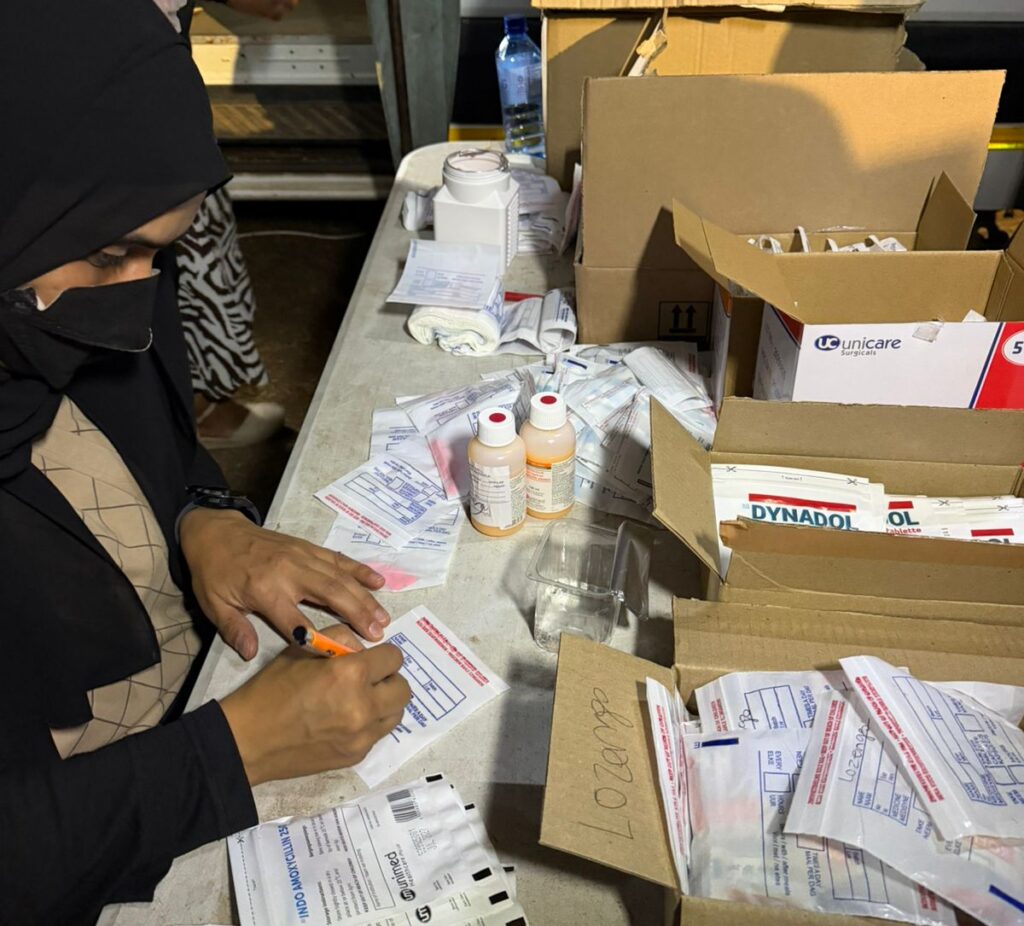
In the face of xenophobic attacks against Malawian migrants, two humanitarian groups immediately stepped up to help, Ismail Suder reports.
“The Malawian people and I will forever be grateful to the Muslim community of Durban and elsewhere who came to our rescue as migrants fled for their lives”, said Pastor George Mzenda, a Malawian Government official, in an interview with Al-Qalam.
Pastor Mzenda was commenting on threats by vigilante groups who gave undocumented migrants until June 30 to leave South Africa or face violence.
“I can tell you one thing, if it wasn’t for the rapid actions of the Muslims, many of my people would have died in the open grounds of Sherwood Park where they were huddled in the cold – and from terror. I would like to meet our generous benefactors some day and thank them personally for what they have done for us – God bless them,” he said.
Pastor Mzenda was referring to two Muslim humanitarian organisations that were the first responders to their plight – the Caring Sisters Network (CSN) and the Islamic Medical Association (IMA, Durban branch).
As thousands sought refuge at the park in Sherwood – including hundreds of terrified mothers with their children – the humanitarian groups swung into action, firstly providing hot meals, blankets, baby milk and other basic necessities. Then they brought out the fully-equipped IMA mobile clinic manned by volunteer doctors and nurses who immediately began treating scores of sickly people.


This week both the IMA and CSN met to evaluate their efforts during the “Displaced Foreign Nationals Crisis” at three points in the city – the Sherwood Camp, the North Beach Drive-In site and the Che Guevara Road (Moore Road) site.
Yasiera Mahomed-Suliman, the Overall Coordinator (Humanitarian Medical Response), said: “The humanitarian response brought together Muslim and non-Muslim volunteer doctors, nurses, pharmacists and allied healthcare professionals, reflecting a shared commitment to serving humanity.
“Alhamdulillah, while coordinating an emergency humanitarian response of this nature is demanding, exhausting and time-consuming – and often requires long hours and late nights – it is always a privilege to answer the call when there is a need.
“Being part of the overall humanitarian coordination team through CSN, where we were simultaneously coordinating food, water, blankets and other relief efforts, enabled us to identify medical needs rapidly and respond efficiently to emergencies as they arose. This close collaboration greatly strengthened the medical response and ensured that patient care remained a priority throughout the operation”.
But she emphasised that they could not have done it alone. Throughout the medical response, IMASA worked alongside the Department of Health, eThekwini Health, and the South African Red Cross Society. The Department of Health was present during the final two days at Sherwood Park from 8 am to 4 pm only, while the Department of Health, eThekwini Health and the Red Cross provided support at the Drive-In site, primarily during office hours only.
“IMASA volunteers largely covered the after-hours service, remaining on site until midnight and, on many occasions, until 1:00/2:00 am. Volunteers also covered full-day weekend shifts, together with selected early morning sessions, ensuring continuity of medical care throughout the operation.



In her estimation, the medical teams attended to between 400–500 patients daily. The most common conditions managed included: Upper respiratory tract infections, colds and influenza; Pneumonia; Gastroenteritis, gastritis and abdominal cramps; Dehydration and heat exhaustion; Scabies and lice associated with overcrowding; Headaches, body aches and fever; Anxiety, stress and insomnia related to trauma and displacement, poorly controlled chronic illnesses, including hypertension and diabetes.
The teams had their hands full, including attending to many pregnant women. There were two births at Sherwood Park and three births at the Drive-In site.
“Throughout the emergency response, medication to the value of approximately R100,000 was procured and dispensed through a collaborative effort. This included: R63,000 funded through IMASA Lillah contributions. R12,000 sponsored by Caring Sisters Network (CSN) to procure urgently required medication, including chronic medication.
“The remaining balance was generously sponsored by volunteer doctors, individual donors and supporting partners, including Gift of the Givers (GOTG) and Sparkport Overport, ensuring uninterrupted access to essential medication throughout the humanitarian response.
“Alhamdulillah, we thank Allah (SWT) for granting us the opportunity and ability to be of service during this humanitarian crisis,” she concluded.