Al-Qalam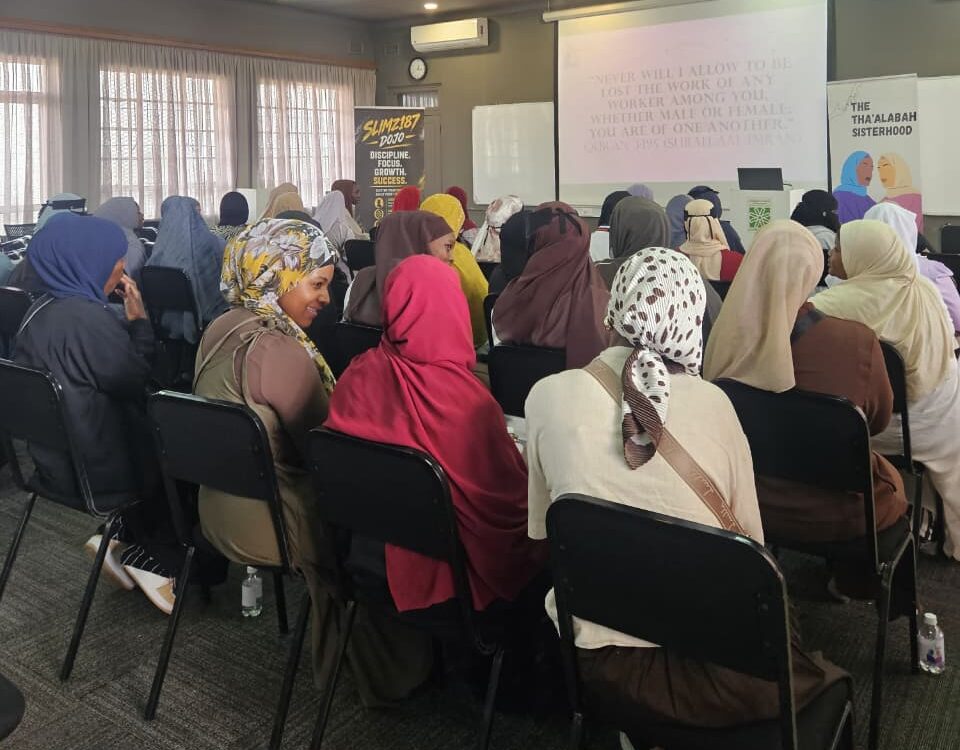
By Azra Hoosen
A Durban Muslimah organisation this week brought together local Muslim women, migrants and refugees to empower them to cope with the many challenges they face in the country.
The Radiance Project, hosted by The Tha’alabah Sisterhood, was held at the Suleman Lockhat Auditorium on July 18. Its aim is to equip women with general knowledge while strengthening the bonds of sisterhood through practical workshops, open discussions and shared experiences.
The women engaged in a series of sessions on women’s health, self-defence, personal safety and understanding the law.
Ayesha Milanzi, Founder of Tha’alabah, attorney and Regent Business School lecturer, explained that the Radiance Project was created to respond to issues affecting both local and migrant Muslim communities. “It was a day to acknowledge and address the elephant in the room. Currently, many individuals, whether migrant or local Muslims, are affected by recent protests, so we curated a programme to equip attendees with the necessary medical, legal and self-defence techniques they might need,” she added.
Milanzi said the overwhelming turnout exceeded expectations, with attendees actively engaging in discussions, asking questions and connecting with one another throughout the day.


Medical practitioner Dr Ganiat Abisola spoke about recognising fatigue, caring for one’s physical and mental wellbeing, and what women should do in the event of sexual assault or abuse.
Milanzi presented a session explaining the legal differences between refugees, asylum seekers and undocumented foreigners, as well as the laws surrounding citizenship and citizen’s arrests.
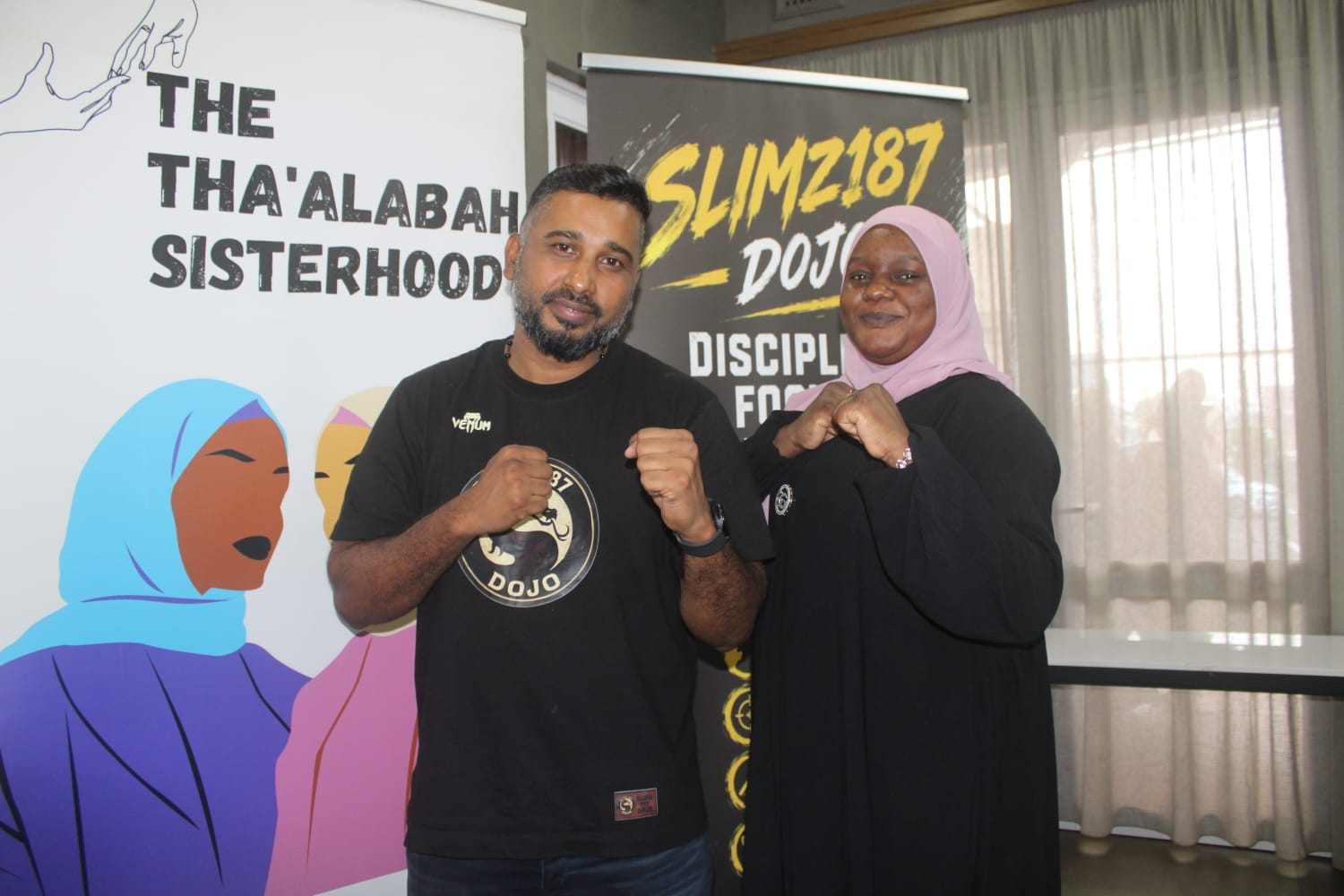
Mohamad Yumnoos of Slimz187 Dojo then demonstrated practical self-defence techniques, emphasising that personal safety and escaping danger should always come first.
She added that the programme also encouraged women to remember their responsibility towards others: “As a community we have a two-fold duty: first as Muslims to be kind and law-abiding citizens, and second as human beings to care for and treat everyone around us fairly, constantly remembering that we are each answerable for our comments and actions.”
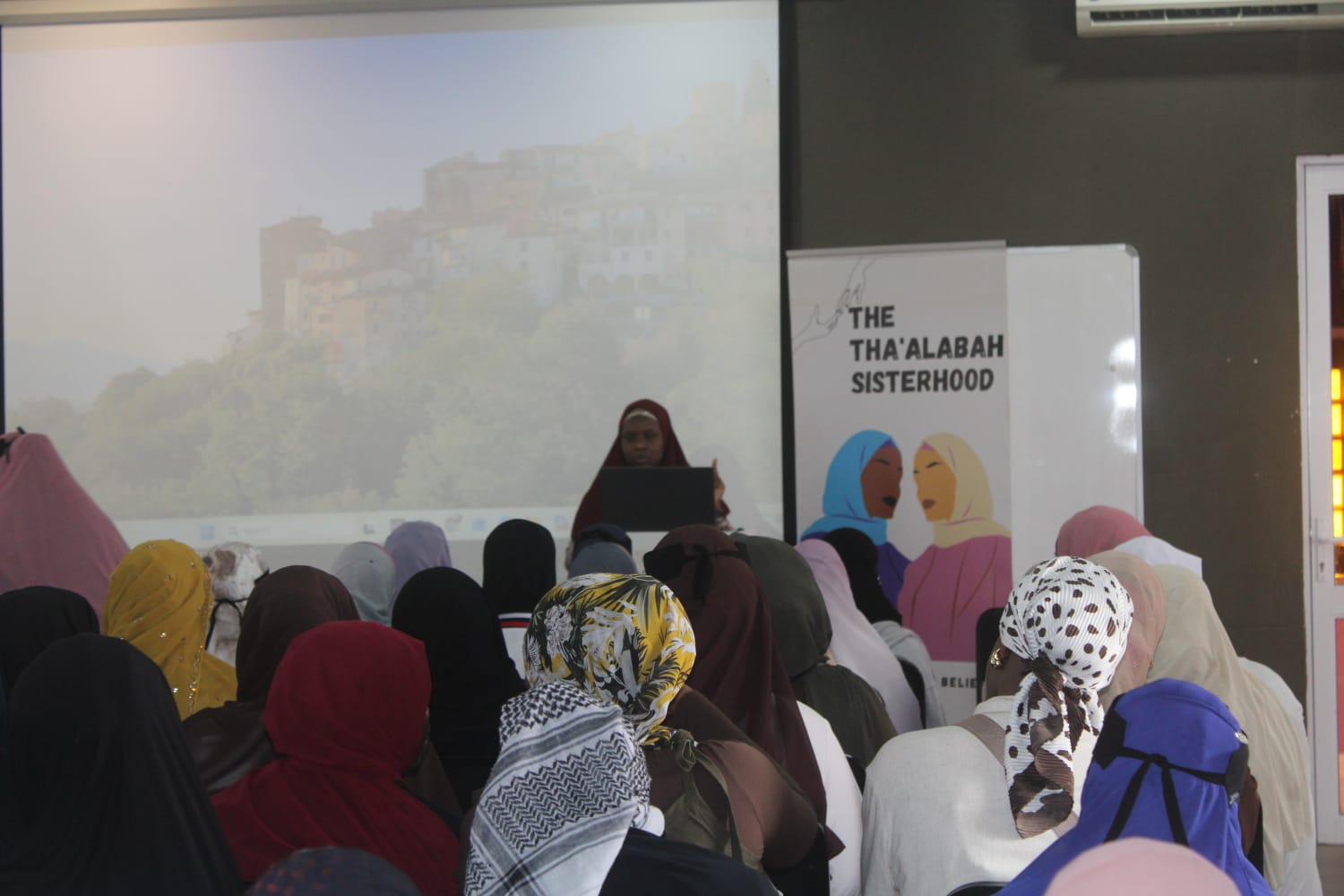
For Milanzi, one of the highlights of the event was seeing women engage with one another beyond the formal programme. “The ladies asked questions, socialised, and that in itself was enough of a positive response for us. It genuinely was beautiful to see so many of them open up and become free,” she said.
Since its inception, the organisation has hosted more than 10 educational and empowerment programmes, with plans to expand into community initiatives such as feeding schemes, skills training and improving facilities for women at Masaajid.



Milanzi stressed that the aim of The Tha’alabah Sisterhood is “not just to host events but to maintain relationships with attendees and help each other out.”
That sense of belonging was echoed by many of the participants.
Rabia Kela told Al-Qalam that the sisterhood has given her a sense of belonging and empowerment. “It reminded me that as women, it is not selfish to put ourselves first sometimes. The sisterhood also created awareness around important issues like GBV, teaching us that it affects both males and females, and that we have a role in standing for justice and dignity,” she said.
Kela added that she finds inspiration in seeing women successfully balance their deen and dunya.For Rahma Nasarie Ally, joining The Tha’alabah Sisterhood was the best choice she had made. “Whether you are the founder or sponsor, we are all one. Once you participate, you become one of the sisters too – you become family,” she added.