Al-Qalam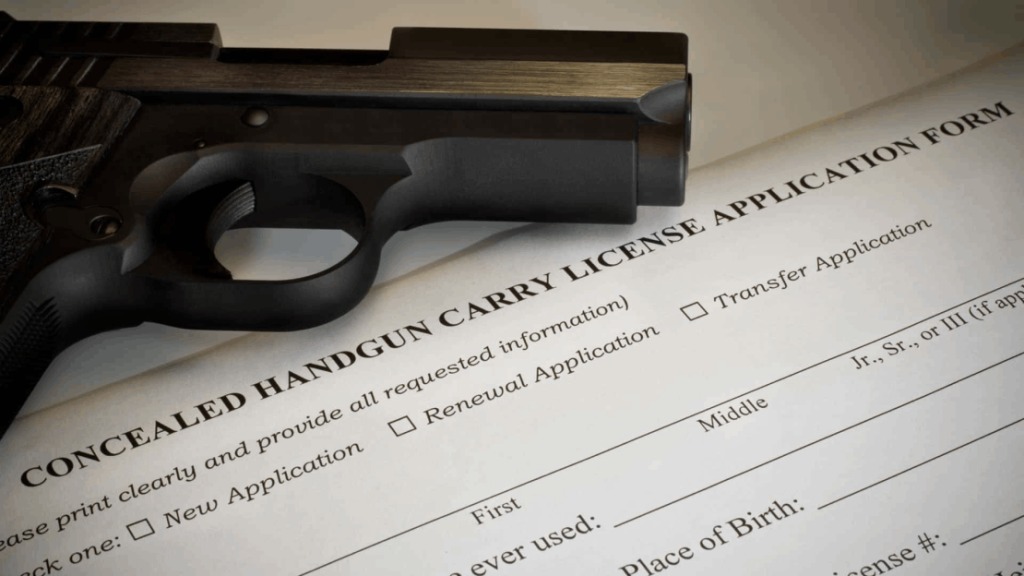
By Neelam Rahim
For more than 20 years, Farzana Rahiman has dedicated her life to protecting vulnerable children. As a social worker, she has entered homes where violence, poverty and gang activity are an everyday reality. She has faced threats, witnessed dangerous situations and made difficult decisions to remove children from harm.
Yet it was not the dangers of her profession that left her most disheartened. Instead, it was being told that the hijab she has worn for most of her life had become an obstacle in obtaining a firearm licence.
A police officer at Parrow Police Station told her that her application came back with an X next to her photo. The officer told Rahiman that the problem with her application was that she had a scarf on, and her application was thus not approved.
Now the portfolio committee on Police is set to submit a question to the Provincial Police Commissioner on why the hijab wearing applicant was denied a licence.
The mother of two daughters said she grew up in a home where faith and education went hand in hand.


“My parents have four daughters and we were raised in an Islamic home with Islamic ethos but very strong on the sentiment of education. So, between my four sisters, we all hold degrees,” she told Al-Qalam.
She credits her late father for encouraging his daughters to pursue opportunities without allowing cultural stereotypes to limit them.
Those values remained with her throughout her career. Today, her work often takes her into environments where social workers are exposed to real risks.
She explained that there are communities where she no longer allows staff members to conduct home visits because of safety concerns.
The decision to apply for a firearm licence, she told Al-Qalam, was not driven by fear but by practicality after years of working in unpredictable situations.
After completing accredited firearm training, purchasing a firearm and submitting the required documentation, Rahiman believed she had fulfilled every legal requirement. Instead, months later, she learnt there was an issue with the photograph accompanying her application because she was wearing a hijab.
Rather than simply complying, Rahiman began researching the legal framework herself.
She said she searched for court judgments and carefully examined the Firearms Control Act but could not find any provision preventing Muslim women from wearing a hijab in firearm licence photographs. “As far as the Firearm Controls Act goes, the only thing that you’re not allowed to wear is a hat and sunglasses.”
What followed, however, left her questioning the system.
She recalled being advised that she could wear a wig instead or even use artificial intelligence to alter her photograph.
For Rahiman, those suggestions missed the fundamental purpose of an identity document.
She explained that every official identification document she currently holds, including her passport, driver’s licence and identity document features her wearing a hijab. “If the purpose of the identification card is to be able to identify the licence holder, then you should be able to see me.”



The issue, she believes, extends beyond a single application.
During the days following the publicity around her case, Rahiman said she heard from other Muslim women who claimed they had removed their hijabs simply to complete the licensing process.
She worries that many women may never challenge such decisions because they lack the knowledge, confidence or resources to do so. “Not everybody has access to resources. Not everybody has insight in the ability to use those resources.”
Rahiman also expressed concern about what she believes is a rise in anti-Muslim sentiment online. “Islamophobia is highly on the rise in South Africa, and this is something I’ve experienced personally,” she added.