Al-Qalam
By Neelam Rahim
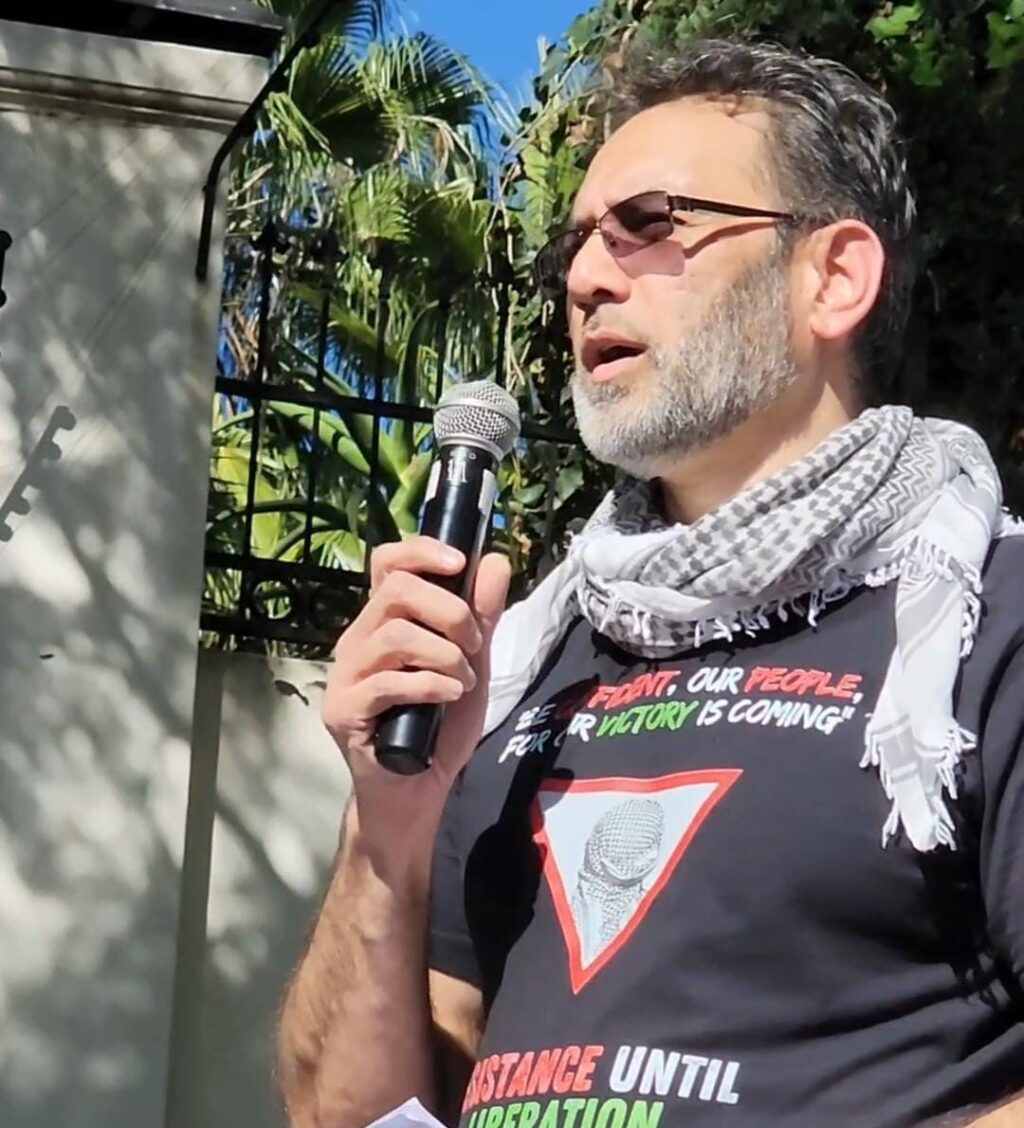
Social Intifada founder Khalid Vawda says South African schools should partner with Palestinian schools to learn about each other’s community and history.
He was commenting on the furore that erupted after Emmarentia Primary School in Johannesburg erroneously displayed an Israeli flag during a concert – and which the school subsequently apologised. The incident highlights how schools could get caught up in wider political disputes over Palestine.
The controversy raises questions about who gets to shape what children learn about human rights, history and the experiences of people beyond their own communities.
The Israel flag controversy unfolded against a broader disagreement over Palestine-related activities hosted at the school, with the South African Zionist Federation (SAZF) criticising the school’s involvement in initiatives organised by Social Intifada.
Disagreement
Speaking to Al-Qalam, Vawda argued that the debate reflects competing ideas about what children should be taught and whether engaging with injustice is being unfairly framed as political indoctrination.


“Teaching kids about justice, teaching kids about injustice, teaching kids about standing up for the oppressed, this is not indoctrination. This is instilling values in children,” he said.
The disagreement raises a difficult question for schools: where does education end and political influence begin? Schools have a responsibility to provide age-appropriate learning environments, but they also help young people develop an understanding of history, society and the principles that underpin human rights. When an issue such as Palestine enters that space, those responsibilities can collide with deeply held political positions in the wider community, he said.
For Vawda, South Africa’s own history makes it difficult to separate the discussion of Palestine from the country’s struggle against apartheid. He pointed to the historical connections between Palestinian liberation movements and the anti-apartheid movement, arguing that young people should understand the relationships that shaped both histories.
“Our kids need to learn their history and where they’ve come from,” he told Al-Qalam.



Vawda proposed one way to move beyond the immediate dispute: ‘Establish partnerships between South African and Palestinian schools’. These could include exchanging letters, poetry and educational materials, as well as online meetings that allow pupils to learn about one another’s communities, he added.
He believes such contact could challenge the distance created when people are known primarily through news reports of conflict.
“And what this does is it humanises a conflict. It humanises a war. It humanises people who have been actively dehumanised for decades now,” he said.