Al-Qalam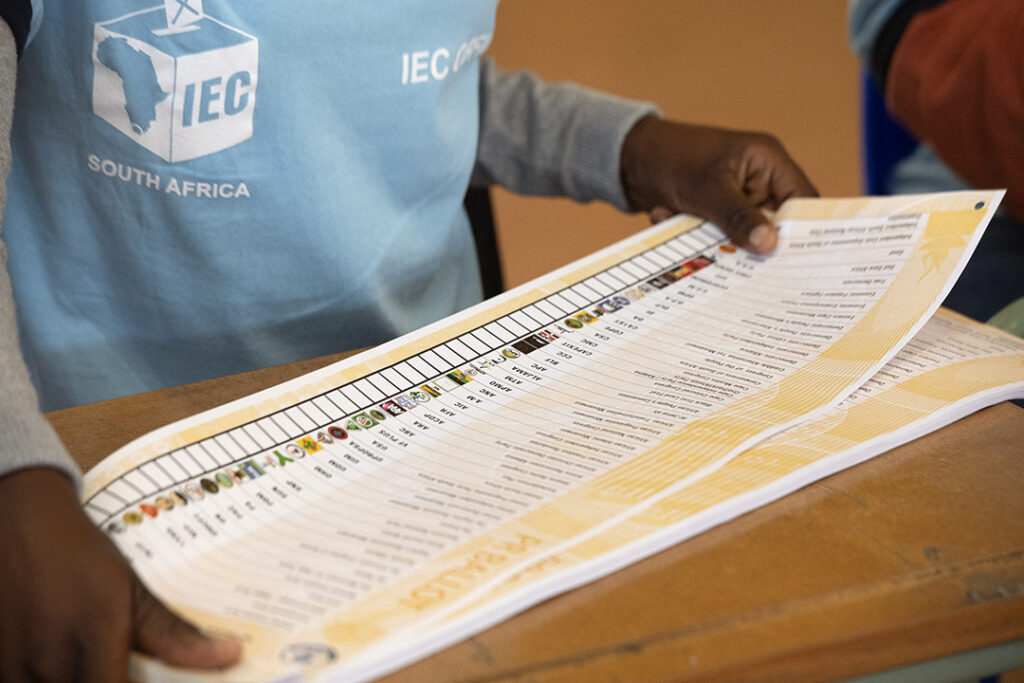
Muslims MUST vote in the Local Government Elections on November 4 – but their concerns shouldn’t be for Muslim interests only, says Imam Dr A. Rashied Omar
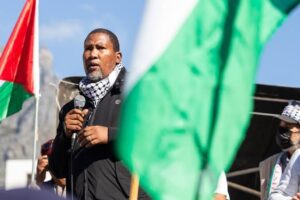
Influential Islamic Scholar, Imam Dr A. Rashied Omar, has urged Muslims to vote in the Local Government Elections – because by not doing so means “dishonouring the sacrifices” of those who were imprisoned or died in the struggle for a better South Africa.
“The right to vote was won through immense sacrifice. Under apartheid, the majority of South Africans were denied a meaningful voice in determining who governed them. Many people endured imprisonment, exile, torture and death so that all citizens could participate equally in shaping our country. To abstain out of apathy or cynicism risks dishonouring that sacrifice and surrendering our influence over decisions that profoundly affect our communities. Casting a ballot is therefore an act of trust, requiring knowledge, conscience, humility, courage and concern for future generations yet to come.
“In some respects, local government elections are even more consequential for our daily lives than national elections. Municipalities determine whether refuse is collected, streets are cleaned, drains are maintained, public spaces are safe, housing needs are addressed and basic services are delivered with fairness and dignity. They shape the condition of our neighbourhoods, libraries, parks, clinics, informal settlements and community facilities. When local government fails, the poor and marginalised suffer first and most severely.”
He told Al-Qalam that “our vote therefore concerns more than party preference.”
“It concerns clean water, sanitation, electricity, housing, transport, safety and the responsible use of public money. It concerns whether councillors listen to residents, remain accessible between elections and act with integrity when allocating scarce resources. Local government is the sphere of democracy closest to the people; it is where lofty promises are translated, or fail to be translated, into lived reality.


“Islamic teachings offer enduring ethical principles by which political choices should be judged. Among the most important are justice (ʿadl and qisṭ), mutual consultation (shūrā), public welfare (maṣlaḥah) and accountability (ḥisbah). The Qur’an commands believers: “O Believers! Stand firmly for justice, bearing witness for the sake of Allah, even if it is against yourselves, your parents or close relatives” (Surah al-Nisaʾ 4:135). It also praises conscientious believers as those “whose public affairs are conducted through mutual consultation” (Surah al-Shura 42:38). Voting can thus be understood as one practical expression of our commitment to justice, mutual consultation and responsible public participation.
“There is no sound basis for claiming that Muslims may vote only for a so-called Muslim party. Nor does voting for a party imply approval of every aspect of its ideology or record. Electoral choice is necessarily an exercise in moral discernment among imperfect alternatives. We should assess parties and candidates carefully: their competence and integrity, their record in office, the credibility of their promises, and their commitment to non-racialism, social justice and the needs of the poor.
He said Muslims should reject appeals based on fear, racism, sectarianism, inherited loyalty or narrow communal self-interest.
“We should vote for those candidates and parties most likely to serve all residents fairly, especially those whose voices are least heard. Our concern cannot be only for Muslim neighbourhoods or Muslim interests.
“The Qur’anic demand for justice obliges us to seek the wellbeing of the entire society, Imam Omar said.
Imam Omar drummed the point that once ballots were counted, elected representatives should be held accountable for both their political mandate and their moral mandate.”
“Their political mandate is to fulfil lawful commitments, govern competently and use public resources transparently. Their moral mandate is to serve rather than enrich themselves, to protect the vulnerable, to resist corruption and patronage, and to treat every resident with dignity.



“This requires active citizens and strong civil society. Muslims should attend ward meetings, scrutinise municipal budgets, question councillors, report failures, support community organisations and join campaigns for honest and equitable service delivery. Masajid should help cultivate informed citizenship and offer principled, non-partisan spaces in which residents can deliberate respectfully. Religious leaders should serve as part of society’s moral conscience, not as uncritical agents of political parties.
“Let us hold those elected accountable, strengthen our neighbourhood organisations and remain engaged in the struggle for justice and human dignity.
“May Allah guide us to choose wisely and help us build municipalities that serve all people, especially the poor, forgotten and marginalized, with compassion, honesty and justice. Allahumma Amin.”