Al-Qalam
By Imam Dr A. Rashied Omar
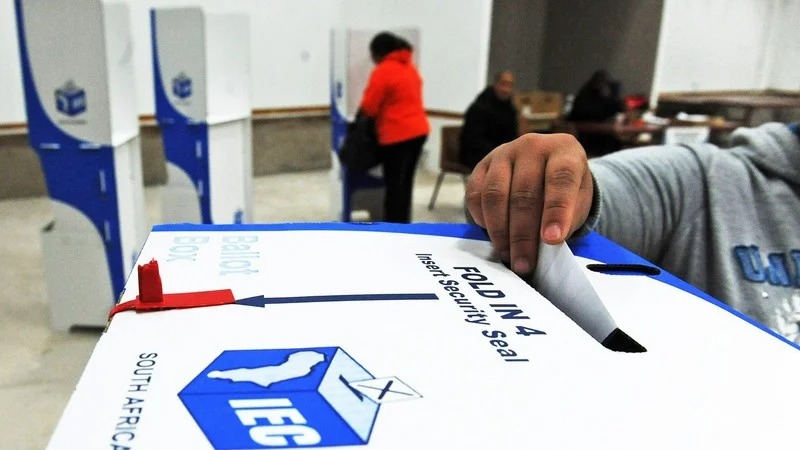
On 4 November, as I watched voters queue patiently in South Africa’s local government elections, I wondered what might change if even one in a hundred of us gave that same time and attention to an organisation in our neighbourhood. What could a school governing body do with a few more parents willing to share the work? What could a residents’ association accomplish if more people helped it follow up on promises made by the municipality?
The opportunity to vote in a largely peaceful election is a blessing. In Surah Ibrahim (14:7), Allah promises to increase our blessings when we respond with gratitude. We express that gratitude by exercising the right to vote. We carry it further by taking responsibility for what happens in our communities between elections. A ballot gives us a say in who governs. Sustained civic participation helps us hold those we elect to their promises and bring the needs of our neighbours to their attention.
For Muslims, this responsibility is an amanah, a trust. In Surah al-Nisaʾ (4:58), the Qur’an commands us to render trusts to those entitled to them and to judge justly among people. We readily recognise the trust placed in someone who holds public office. The verse also invites us to ask what has been entrusted to us. Our time, skills, wealth and voice are all resources we can put to work for others. A parent who helps make a school more responsive to children’s needs, or a resident who speaks up for a neighbour whose complaint has been ignored, is honouring that trust.


The Prophet Muhammad (peace be upon him) showed what such responsibility can look like in public life. Before he received revelation, a merchant from Yemen was denied payment by a powerful man in Makkah. The merchant appealed publicly for justice. A group of Makkans, including the young Muhammad, formed a pact to defend anyone who was wronged in the city, whether a resident or a stranger. The pact became known as Ḥilf al-Fuḍūl, the Alliance of the Virtuous. Years later, the Prophet recalled it with approval and said that he would answer a call to join such an alliance for justice again.
The pact began with one person’s grievance. Its members turned that grievance into a shared obligation and used their standing to help someone who had little influence of his own. That example speaks directly to civic life in South Africa, where residents may share a concern about housing, safety or public services while differing in faith or political allegiance. The Qur’an’s call to cooperate in goodness and God-consciousness (5:2) gives Muslims a reason to work alongside anyone prepared to pursue a just outcome.
Protest has a place in that work. It can bring a neglected grievance into public view. What follows often takes longer and attracts less attention. Someone must record what officials promised, ask who is responsible for carrying it out and report back to residents. A civic association that does this consistently makes it harder for commitments to disappear after a public meeting. It also gives residents a way to act together when an individual complaint goes unanswered.



Civic service can begin with one commitment. Attend a meeting of a school governing body, civic association, sports club, welfare organisation or masjid committee. Ask what needs doing and take on a task you can see through. It might be keeping minutes, helping with a youth programme or checking whether a service complaint has been resolved. Then bring someone else along. When more people share the work, local organisations can keep going beyond the handful of volunteers who so often carry them.
Our prayers, fasting, zakāh and ḥajj should prepare us to honour the trusts we carry. After the election, one measure of that commitment is whether a neighbour can count on us to follow through when we have undertaken to help. We are right to ask for trustworthy leaders. We should also ask what would make us trustworthy citizens.