Al-Qalam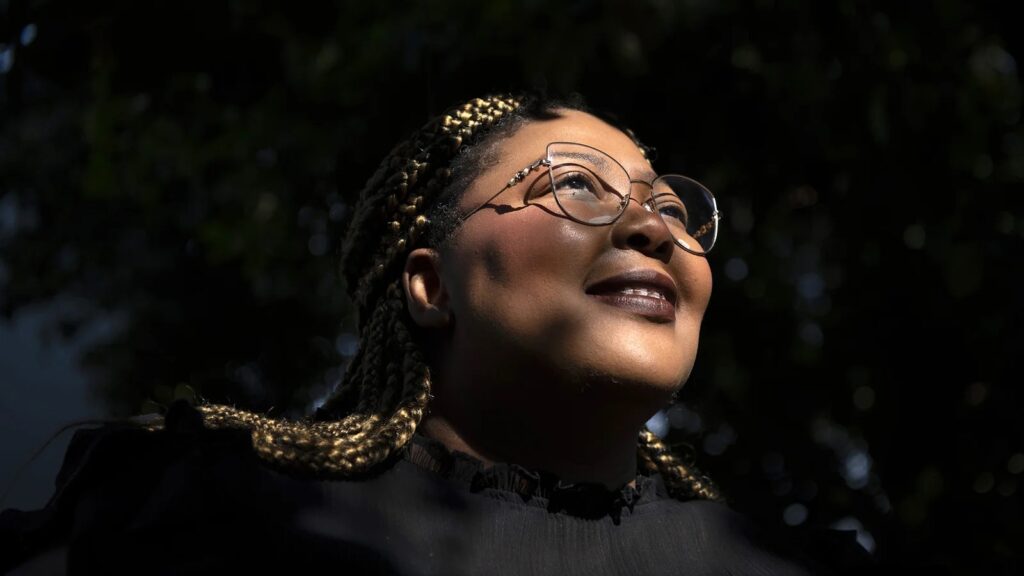
By Neelam Rahim
A disciplinary complaint over two social media posts has raised a wider question for South Africa’s Palestine solidarity movement: can legal and professional processes create a climate in which speaking out for Palestine comes with consequences?
At the centre of the dispute is South African medical doctor and former United Nations Special Rapporteur on the Right to Health, Dr Tlaleng Mofokeng. The complaint against her followed posts she made in January 2025 during the Gaza ceasefire, including “F*** you, Netanyahu” directed at Israeli Prime Minister Benjamin Netanyahu. After UN Watch executive director Hillel Neuer criticised her, Mofokeng responded: “You white man. Evil scum. Voetsek.” The South African Zionist Federation (SAZF) subsequently complained to the Health Professions Council of South Africa (HPCSA).
The HPCSA later found Mofokeng guilty of unprofessional conduct and imposed a R10 000 fine for bringing the profession into disrepute. She challenged the finding in the High Court. The HPCSA subsequently decided not to oppose her application after the Department of International Relations and Cooperation advised on her immunity as a UN Special Rapporteur. The finding and fine were set aside by agreement on September 9. The SAZF has stressed that the court did not determine the merits of whether her language constituted professional misconduct.


For Mofokeng, the significance extends beyond the disciplinary process. She believes legal and professional mechanisms can have a chilling effect on those who challenge Zionism or publicly support Palestine.
In an interview with Al-Qalam, she said: “If I was in any other profession or that I was unemployed, which other statutory body were they going to misuse? That’s the question we must ask ourselves, right?” she said.
“They’ve been well-organised, well-funded, and their pockets run very deep,” she said. “So historically, they do like using the courts’ processes and any disciplinary process for that matter to frustrate anyone who stands against Zionism.”
Mofokeng also raised concerns about the influence she believes Zionist organisations exert over public narratives.
“They have so much control, even in the media, that they can even decide what goes out and what goes on,” she said.
She pointed to the difference in coverage between the HPCSA finding and the court outcome.



“When the HPCSA initial finding was made, the news broke for 24 hours in a cycle in South Africa. When I won in the Pretoria High Court, not a single media covered that in the way that they did on television screens. Not even a blurb,” she said.
For Mofokeng, the issue ultimately concerns whether people remain willing to challenge powerful interests over Palestine.
“And so absolutely, it’s done for a chilling effect,” she said. “If you can silence a medical doctor, a well-known feminist in the country, a UN official while doing UN work in her home country for doing that work, it would be a complete disaster.”