Al-Qalam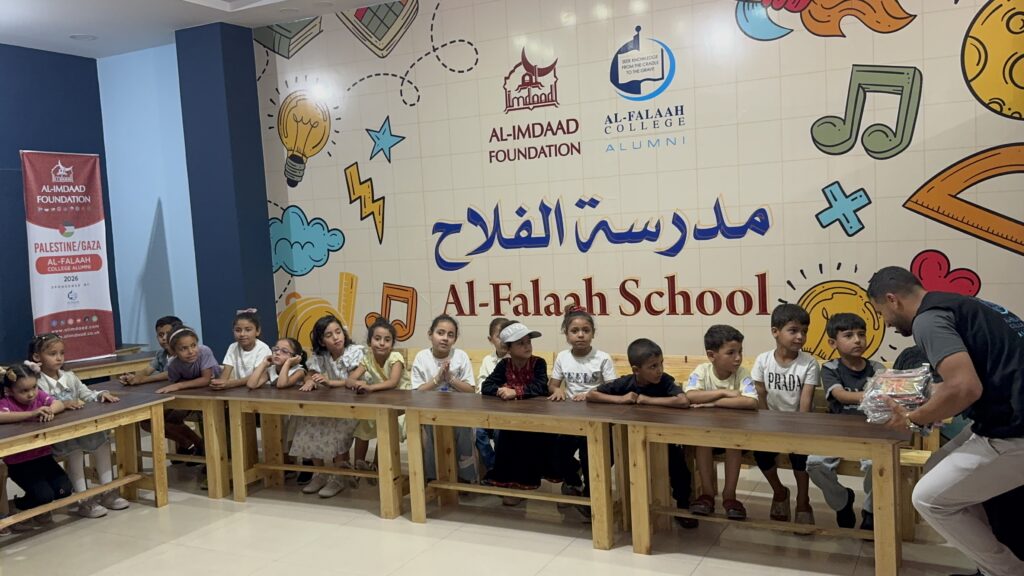
The Al Falaah College Gaza project was a community-driven initiative led by the Al Falaah College Alumni and Al Imdaad Foundation, writes Azra Hoosen
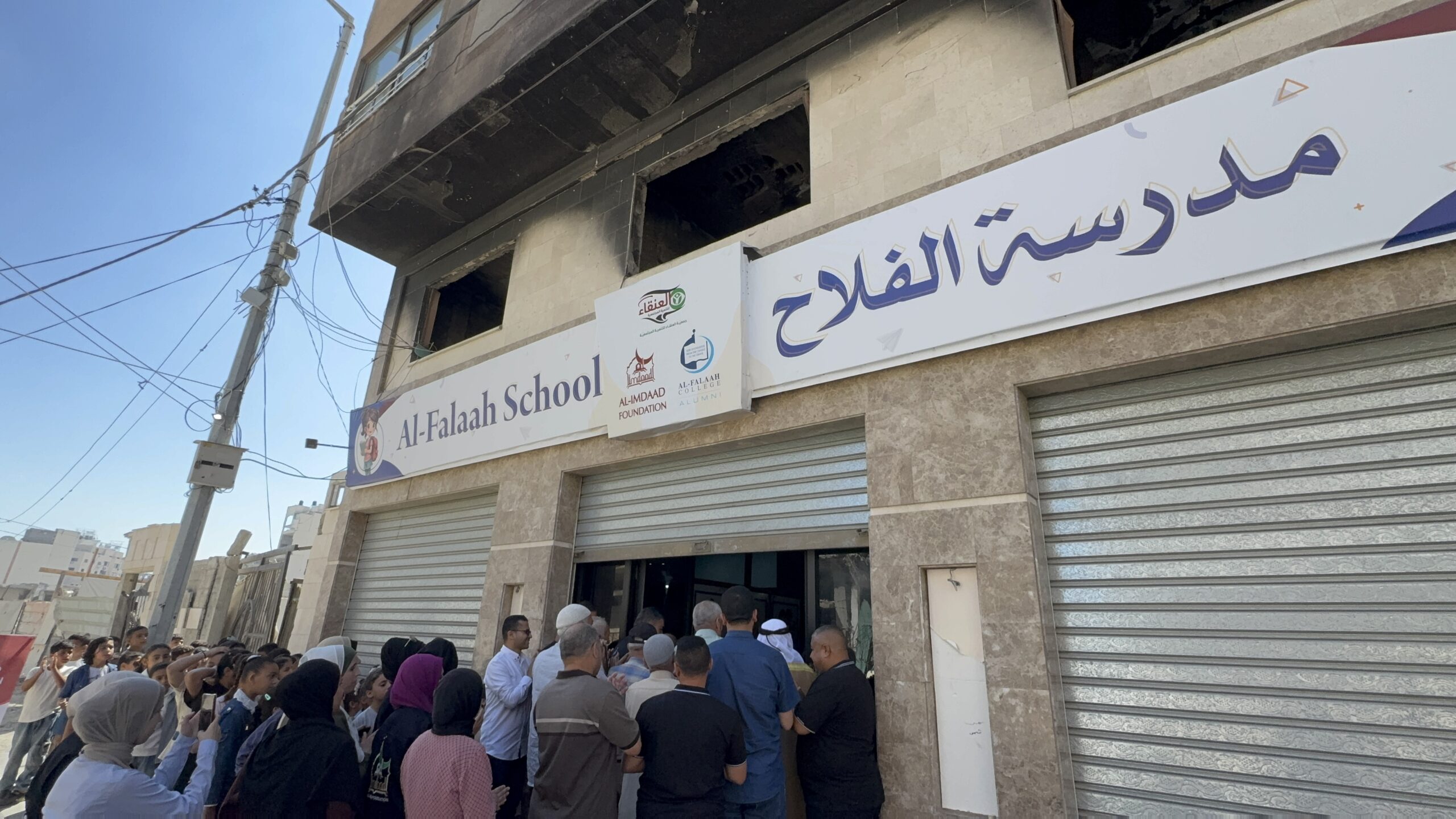
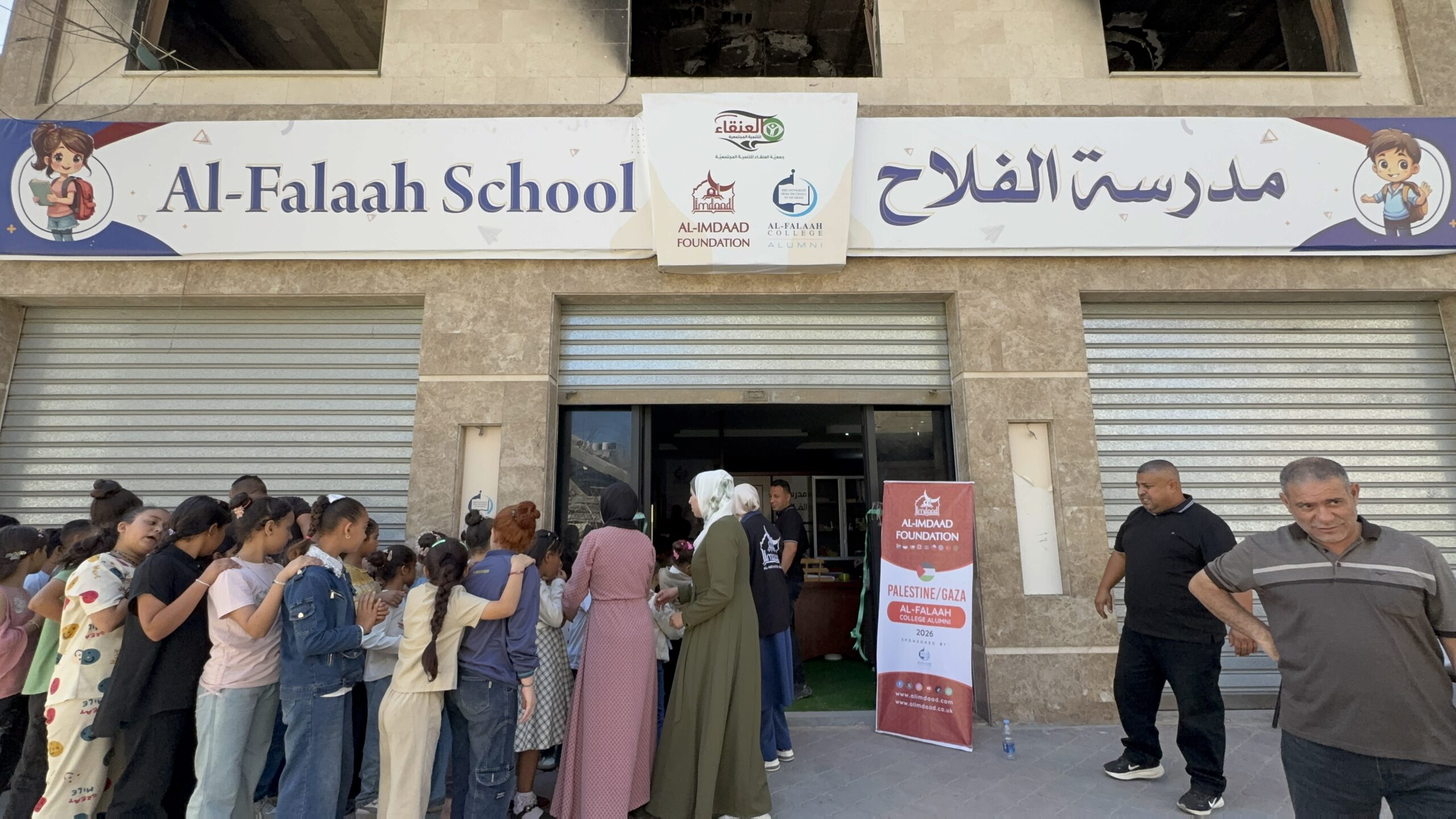
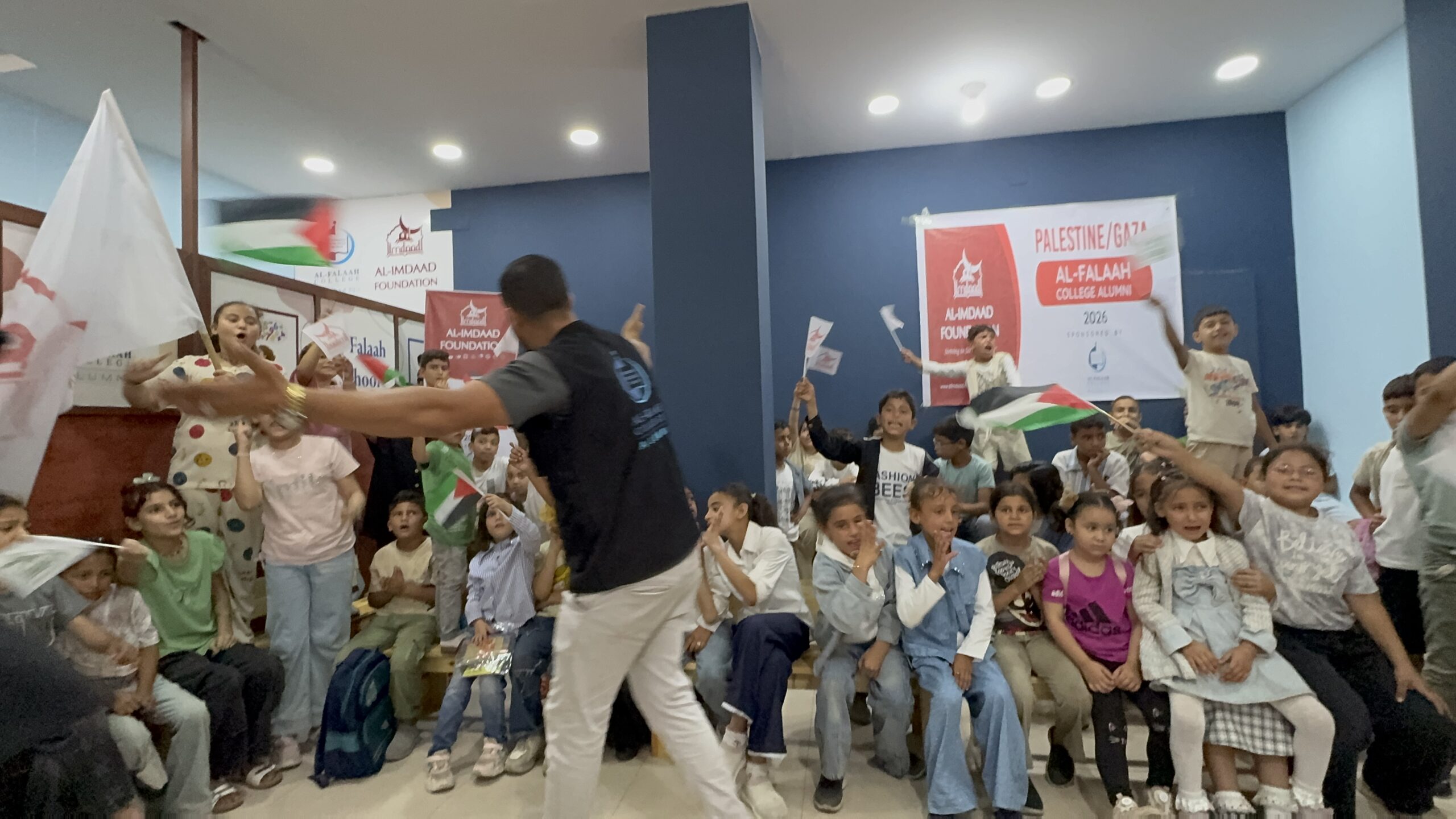
Excitement filled the air as children gathered outside the newly opened Al Falaah College Gaza School on 13 June 2026. For many learners, it marked a long-awaited return to structured education after months of disruption.
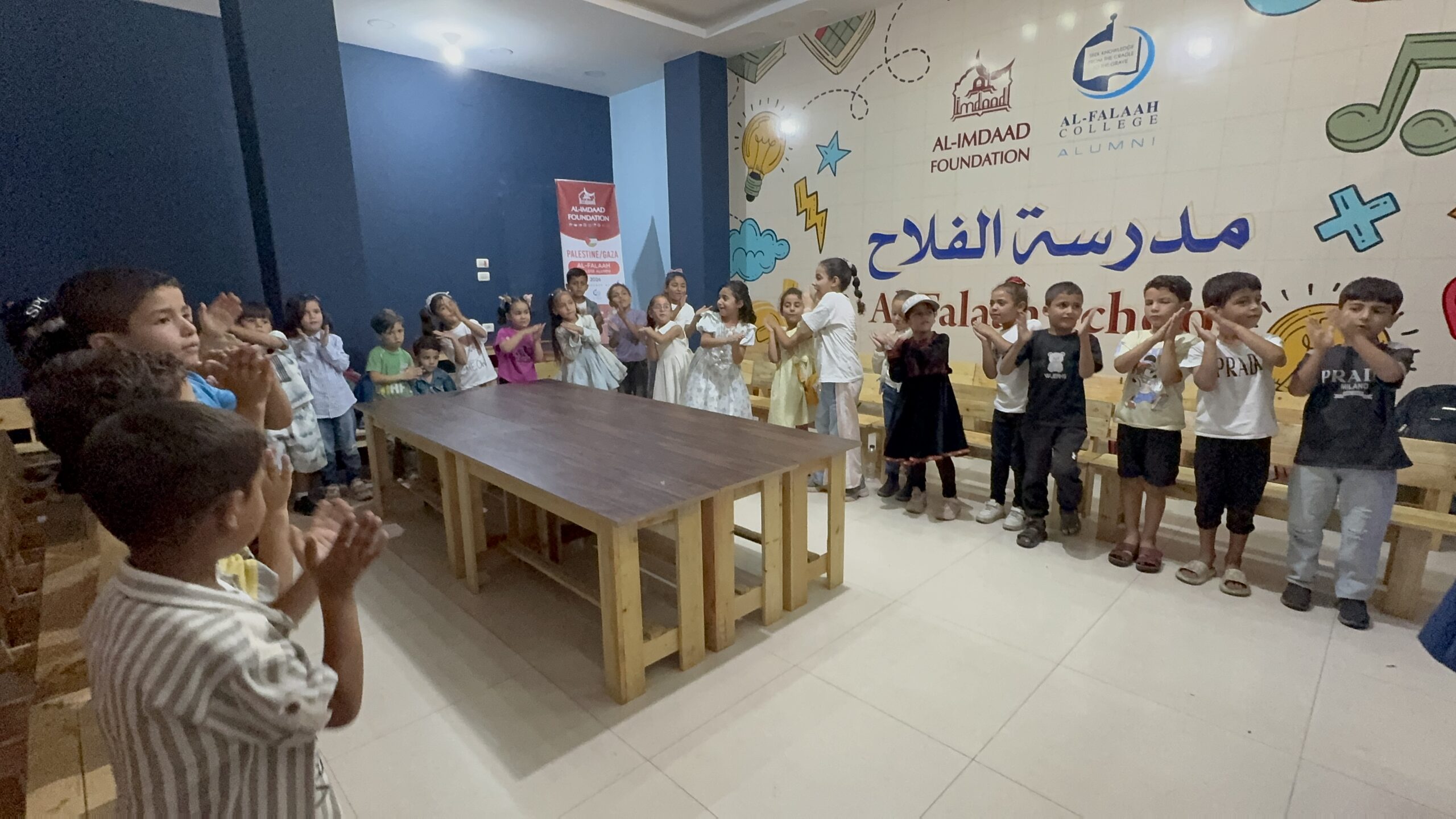
Located in Gaza City, North Gaza, the school was established in response to a growing education crisis, with many educational facilities across the territory damaged, destroyed or converted into shelters for displaced families.
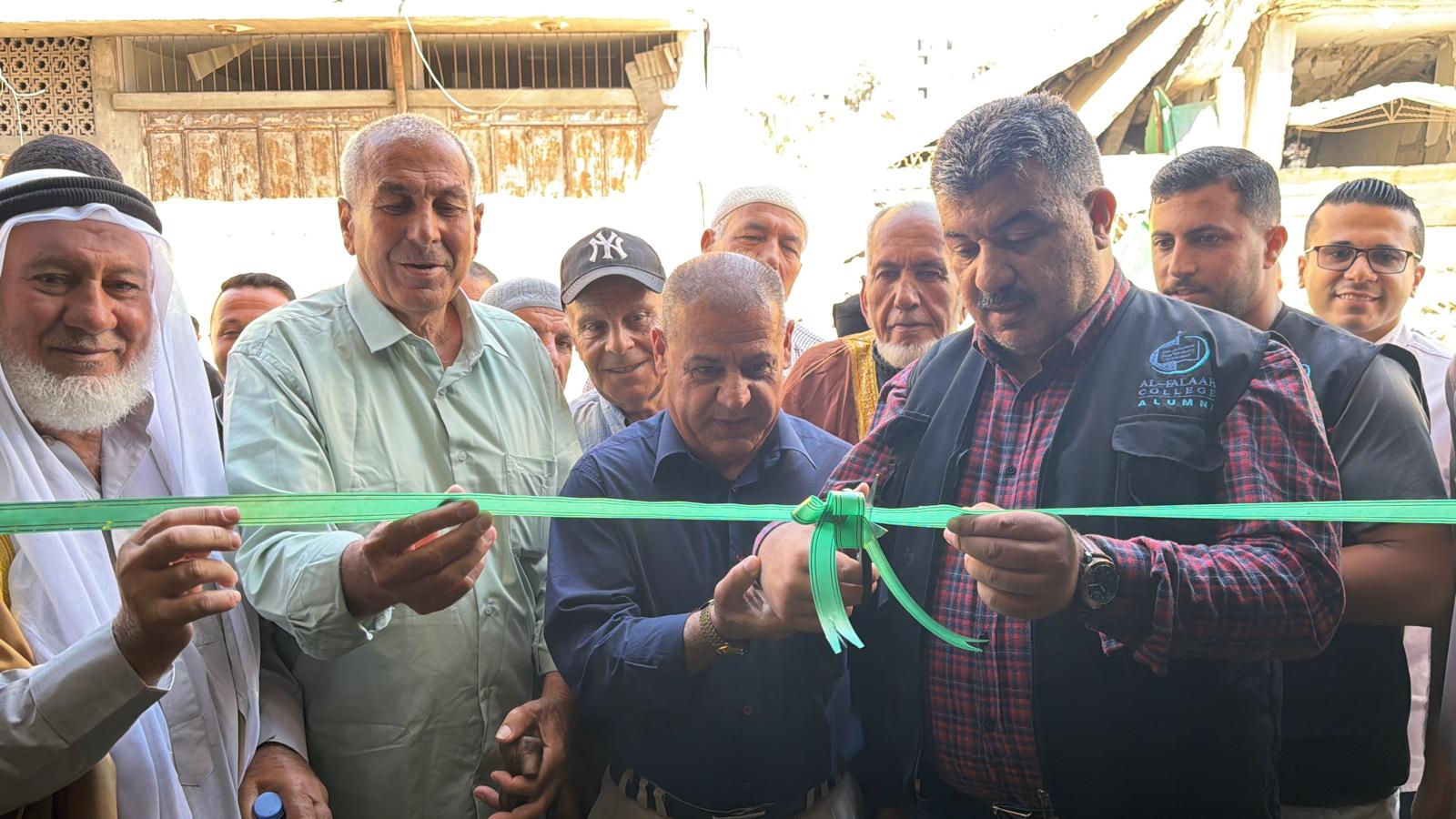
The opening ceremony was a colourful and joyous occasion. Children participated in fun activities, families gathered to celebrate and a ribbon-cutting ceremony officially opened the school’s doors.
Reflecting on the milestone, Moulana Mohammed Motala, Al Falaah College Alumni member and Al-Imdaad Foundation international projects coordinator, told Al-Qalam that the project began with a simple request from the people of Gaza: “We need a school”.


“We have been involved almost daily with projects in Gaza for nearly three years, providing food aid, medical support and shelter. Then a request came from the people of Gaza that they needed education for their children. They had been deprived of education and asked if something could be done,” said Motala.
The initiative was funded entirely by former students of the school. “The beauty of this project is that it was done by the alumni. What began as a request from the Al Falaah College community for a school project in Gaza has today become a reality,” explained Motala.
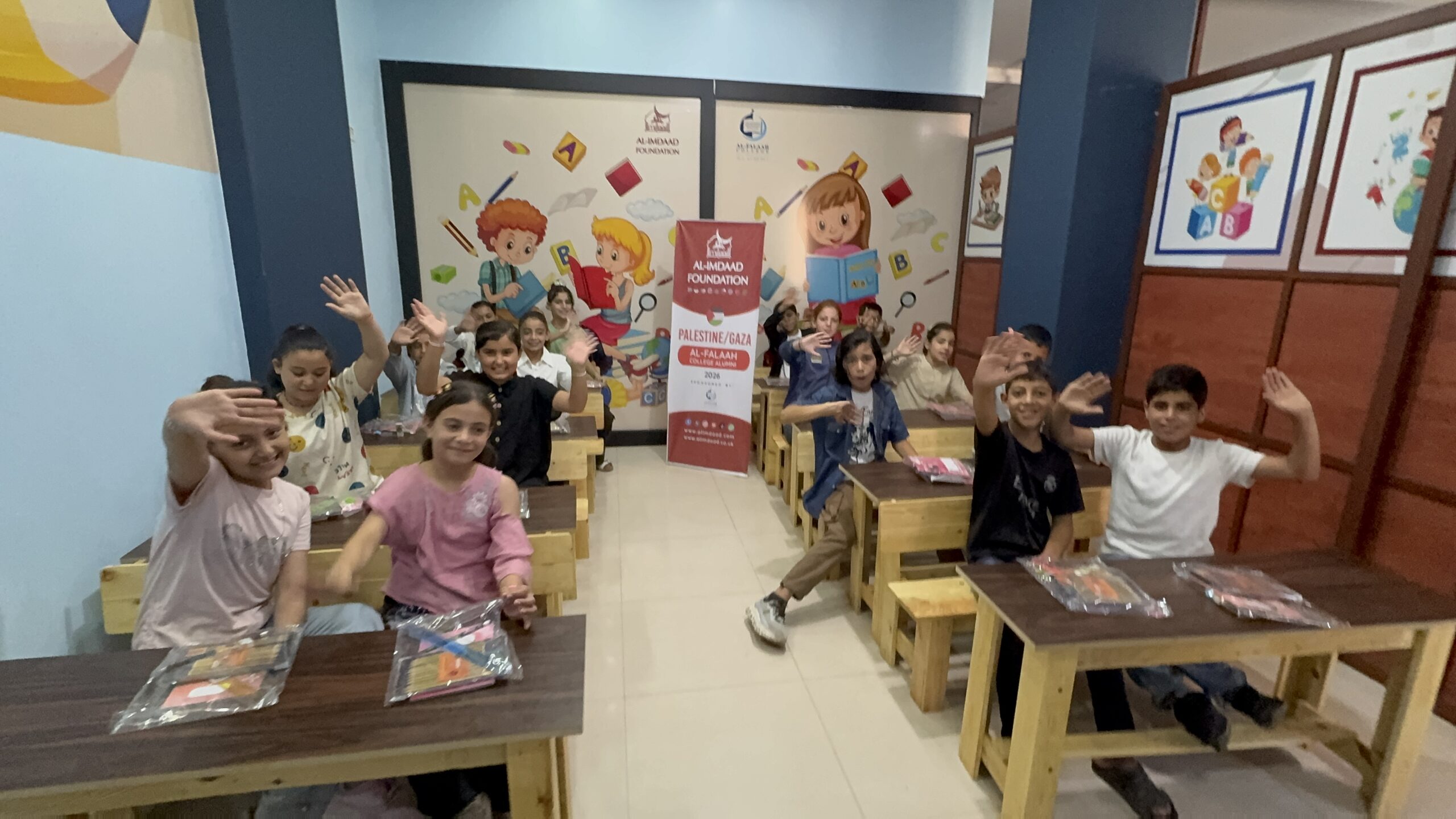
The school was established through the renovation of a damaged building, which was equipped with furniture, stationery and other educational resources needed to create a functional learning space.
According to Motala, approximately 900 learners have enrolled at the school. To ensure as many children as possible can access education, the school will operate in three cycles of 300 learners each over a six-day week, with boys and girls attending on alternate days.
The initiative extends beyond providing a classroom. The school caters primarily for vulnerable children, including orphans, displaced learners, households with little or no income and those affected by the trauma of war. Alongside academic subjects such as Arabic, Mathematics, English and Science, the programme incorporates psychosocial support, play-based learning activities and daily nutritional assistance, recognising that many children require both educational and emotional support.
For Motala, one of the most rewarding moments was witnessing the response from the community. “It was so heartwarming to see children and parents lining up on registration day and eventually seeing that classes have started,” he said.



He emphasised that rebuilding communities requires more than emergency aid. “Aiding a community is not only giving food aid or shelter. It’s rebuilding. One of the main components for rebuilding a community is educating them,” said Motala.
The opening comes at a time when many educational institutions in Gaza have been damaged or destroyed. Motala believes the project sends a powerful message to the children of Gaza: “In one line, I would say, this is a message to the children of Gaza that we have not forgotten you.”
The school aims to help children regain a sense of normalcy while laying the foundation for a more self-sufficient future. “We don’t want to continue giving them food and emergency supplies where they remain reliant on aid. Education will empower them so that they become self-sufficient, earn their own living and become a generation that will not be receivers of aid,” said Motala.
The initiative has also opened the door to future collaboration, including the possibility of South African educators providing remote lessons and academic support to learners in Gaza.
Motala hopes the project will encourage other schools and communities to explore similar partnerships.