Al-Qalam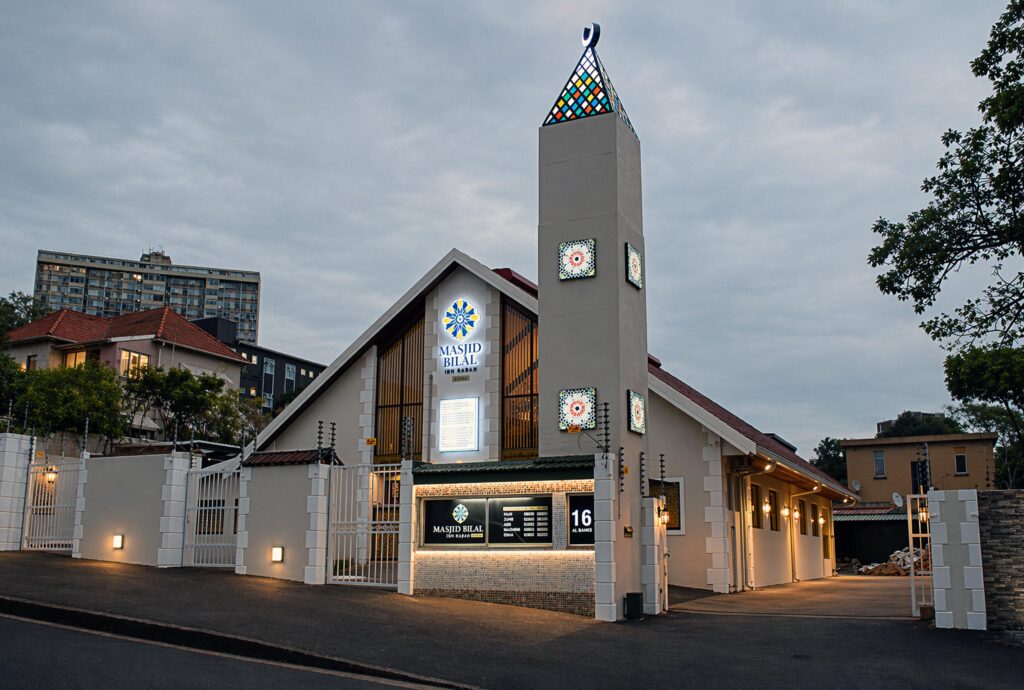
By Ismail Suder
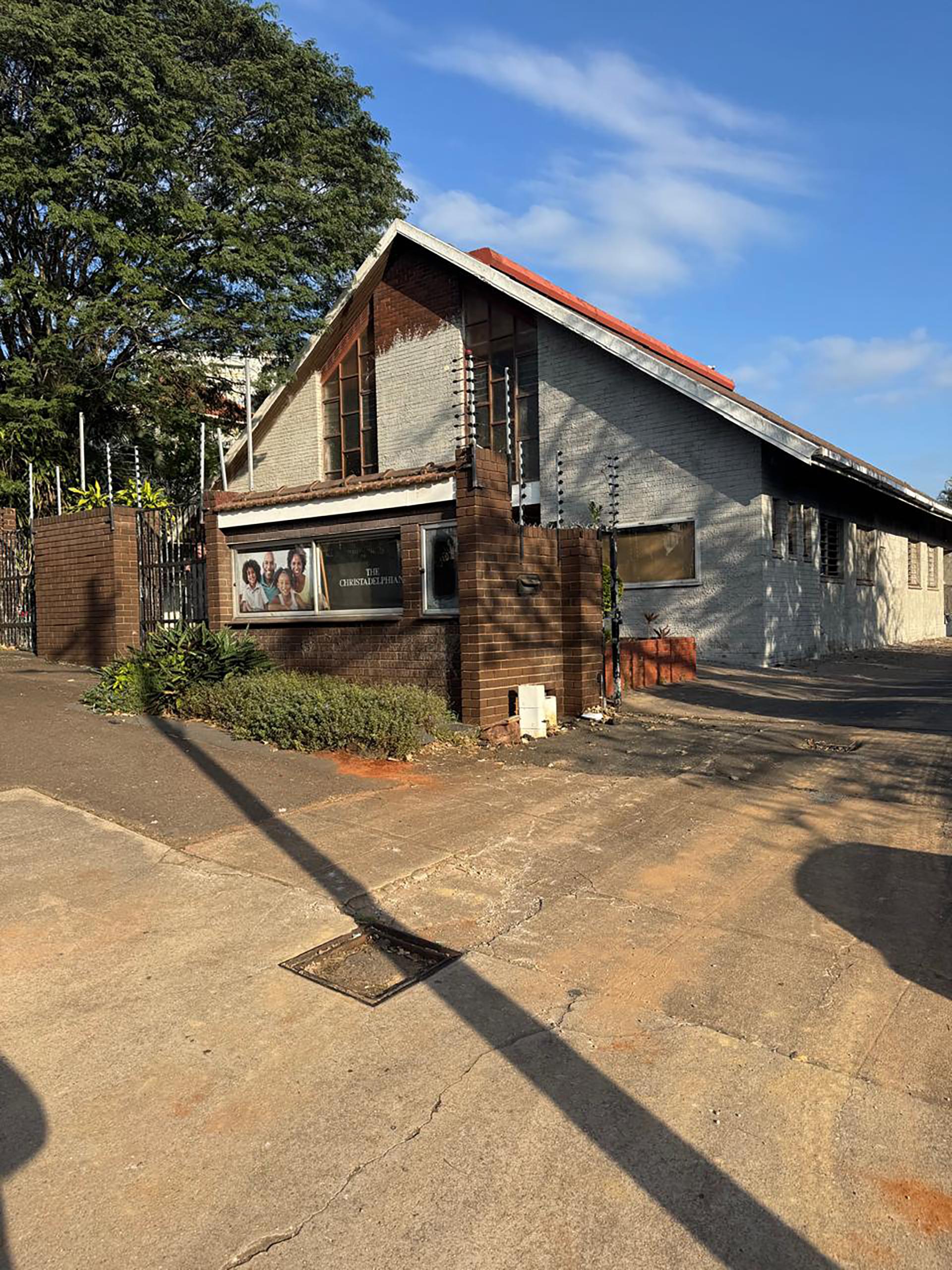
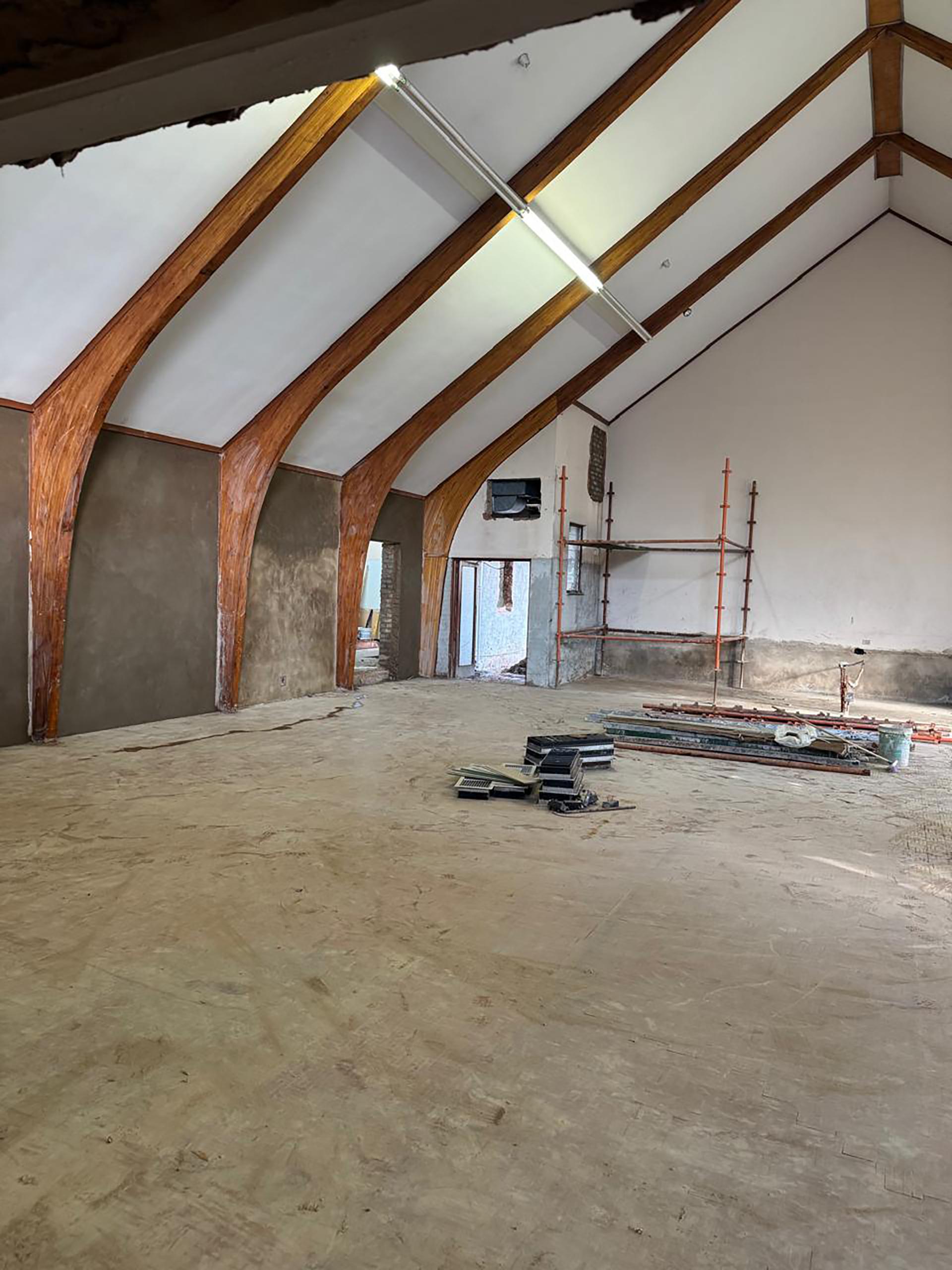
A century-old disused church in Durban has been converted into a masjid, transforming the once neglected structure into an architectural marvel embodying a fusion of Moroccan, Persian and Arabian influences.
Masjid Bilal Ibn Rabah, as it is named and situated on 16 J.B. Marks Road in Berea (Formerly Chelmsford Road), stands out particularly at night when its tasteful lighting, both decorative and functional, is switched on, attracting much interest amongst locals and visitors.
A carefully reimagined space of worship and community, the new masjid is the brainchild of Moulana Mohammed Vanker, its donors and the trustees of the An-Nur Foundation.
The architectural firm behind the innovative project is The End Studios, whose director, Idris Hoosain, was responsible for the design, production, and installation, including overseeing the project from concept to completion. To ensure a unique design direction was established, he worked closely with the trustees – and they were pleased with the end result.
Hoosain told Al-Qalam that this deliberate shift away from more familiar contemporary styles gives the masjid a distinctive identity, rooted in classical Islamic design traditions.
He said more than a simple conversion; the project represents a thoughtful balance between preservation and transformation.


“The original architectural form has been retained, allowing the building’s heritage to remain visible, while a distinct Islamic identity has been layered into its structure — creating a space that feels both rooted and renewed.”
Driven by a long-term vision to elevate the role of the masjid, the An Nur Foundation has approached this project with a clear philosophy: a masjid should not only serve as a place of prayer, but as a centre of dignity, learning and belonging.
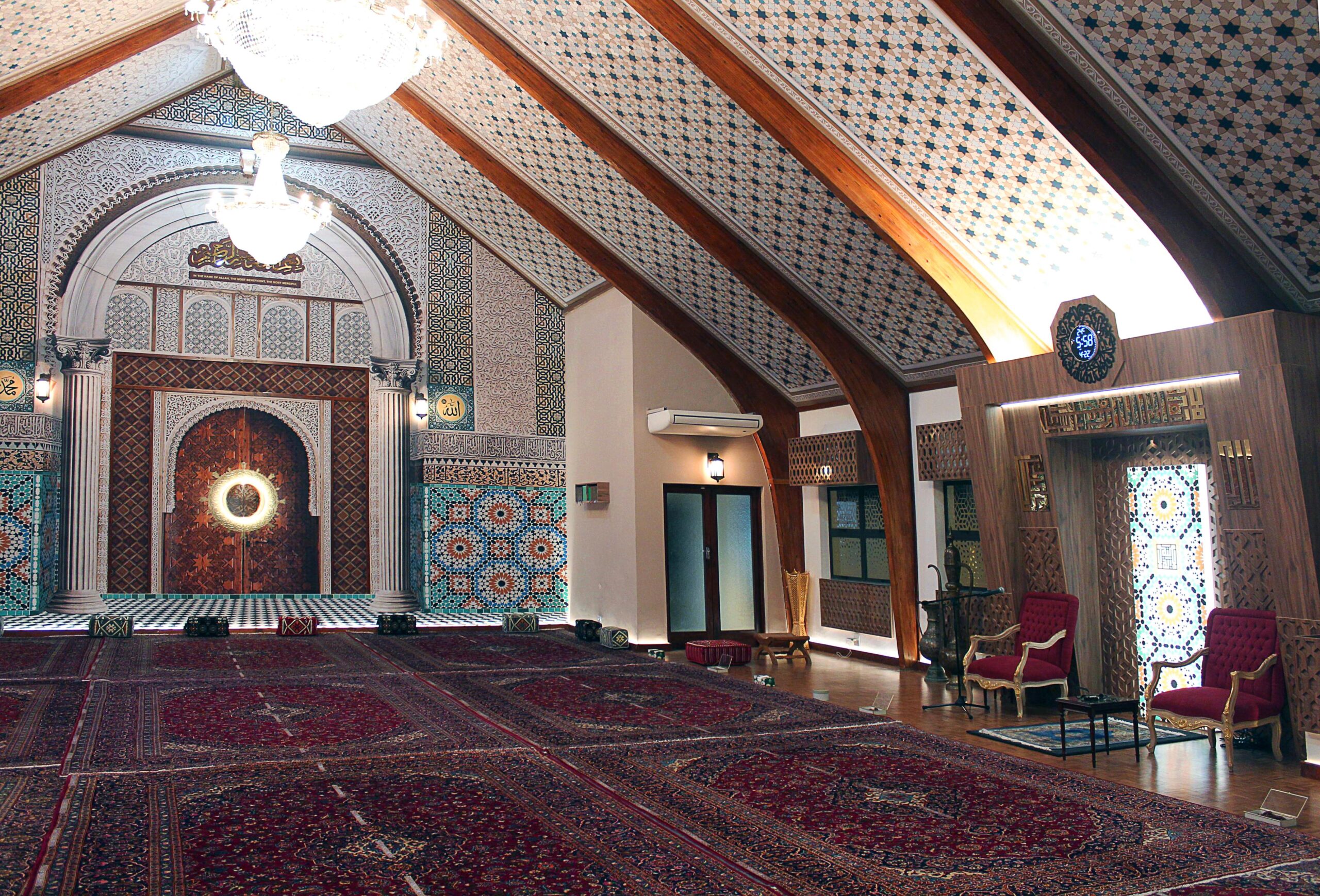
Stepping into the masjid, one is immediately struck by the richness of detail. The original timber roof structure remains intact, now complemented by intricate geometric ceiling patterns that introduce a distinctly Islamic visual language.
At the heart of the space, the mihrab forms a powerful focal point — framed by detailed woodwork, layered arches and a subtle halo of light. Surrounding this are elements that reflect craftsmanship and depth: laser-cut wooden screens, backlit panels, ornamental features and carefully composed architectural framing.
The polished parquet flooring further anchors the space, with handwoven Persian-style carpets arranged in traditional formation, reinforcing both familiarity and spiritual focus.
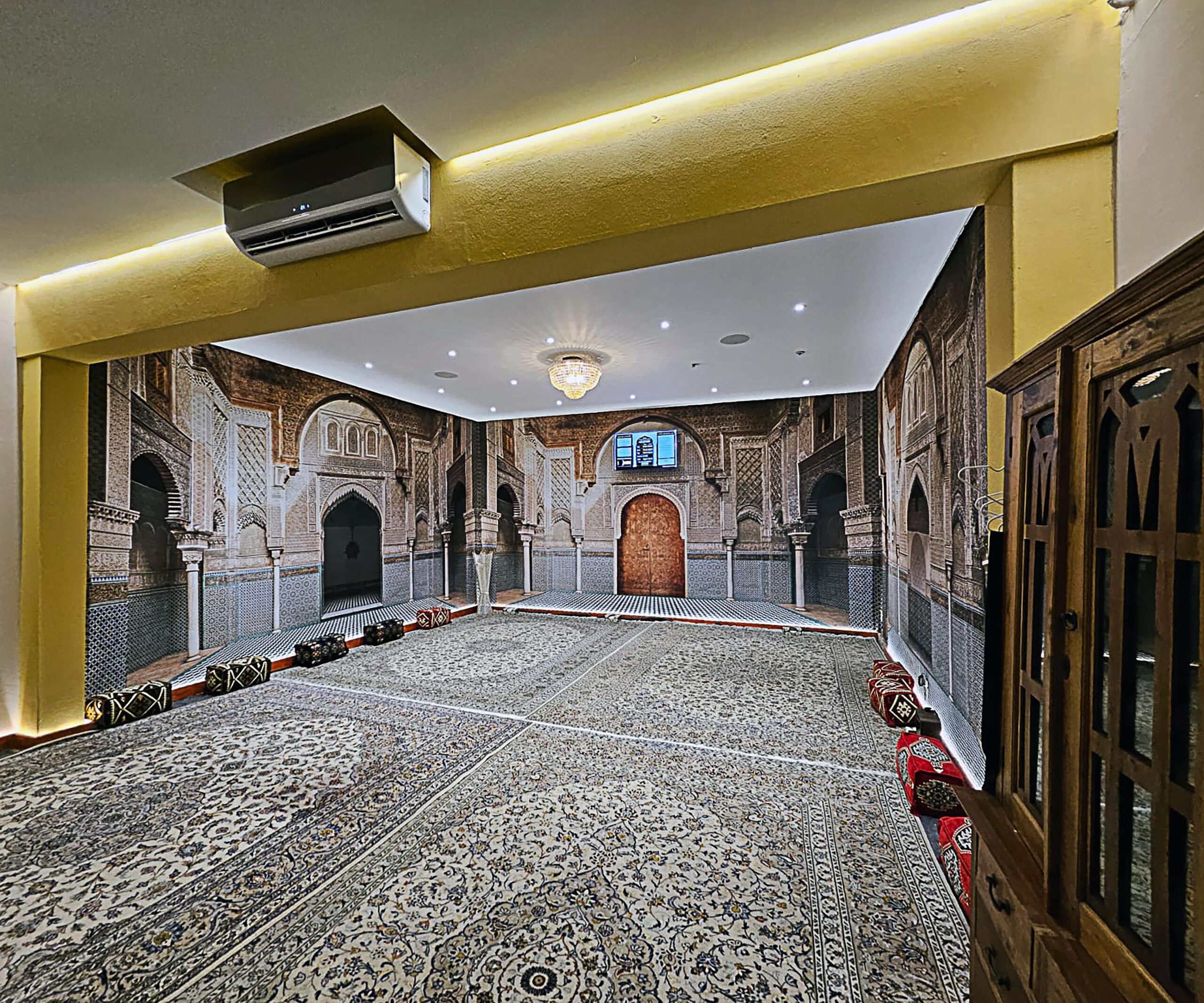
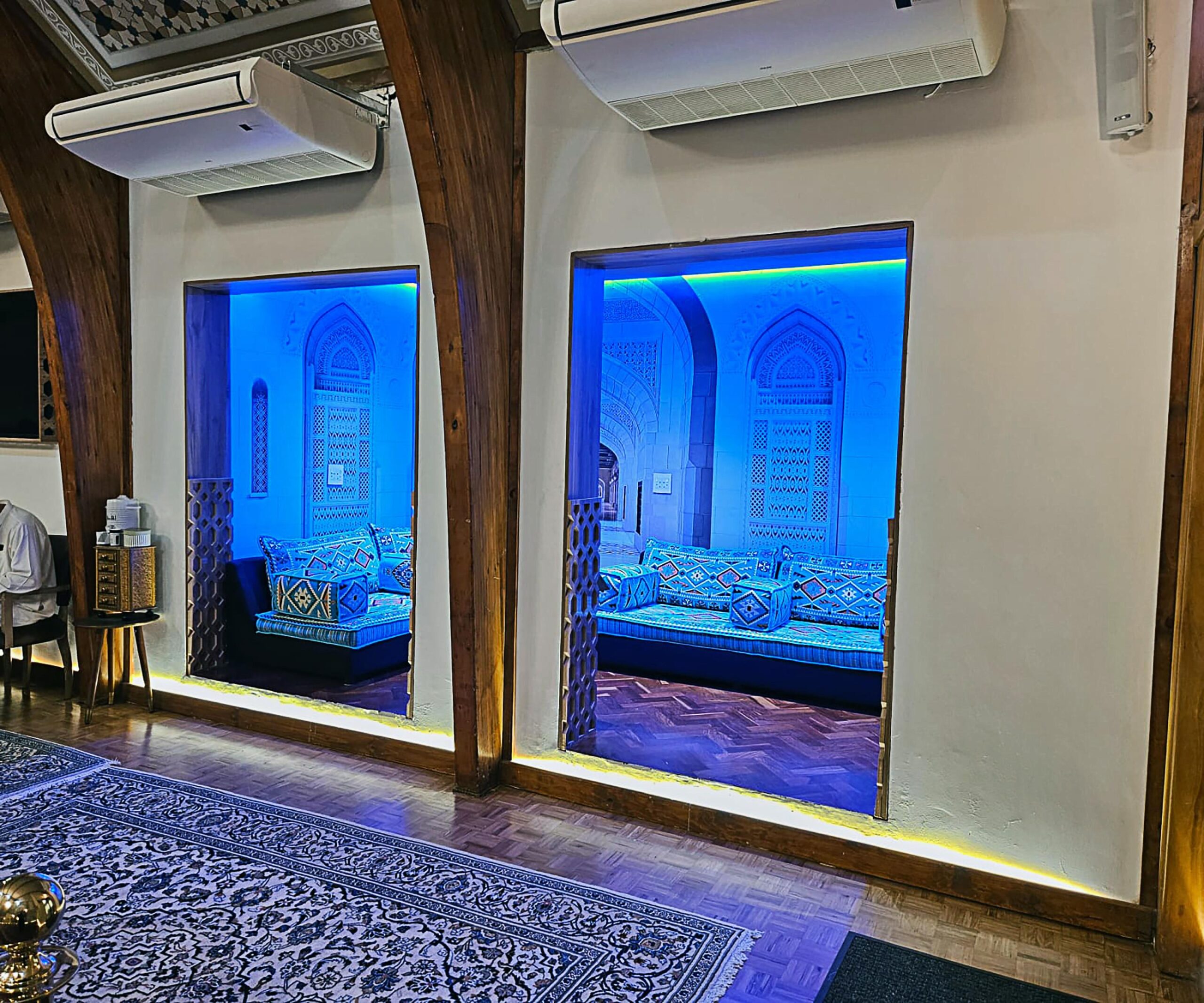
Lighting plays a defining role throughout. Warm ambient strips highlight architectural lines, while feature chandeliers introduce a sense of classical elegance. In contrast, softly illuminated alcoves and lounges add moments of intimacy and reflection, creating a balanced sensory experience.
Hoosain added: “Beyond the main prayer hall, the masjid introduces elements not commonly found in traditional layouts. Recessed majlis-style seating areas provide spaces for conversation and contemplation, inspired by Middle Eastern hospitality traditions. These are complemented by facilities designed for broader community use, including educational programmes, social engagement spaces, dedicated ladies’ facilities, a jamaat area and planned courtyard and garden developments.



“The design intentionally extends beyond functionality, aiming to create an environment that welcomes all — particularly youth and families — into a space that feels accessible and lived-in, rather than purely institutional.
“Masjid Bilal Ibn Rabah is envisioned as a hub of continuous activity. Plans are already underway for maktab classes, hifz programmes and revert support initiatives, alongside regular visits from local and international scholars. Programmes for women and youth form a central part of this vision, supported by dedicated and comfortable spaces designed with inclusivity in mind.”
He added that weekly feeding schemes and community outreach initiatives further reinforce the masjid’s role beyond its walls, extending its impact into the surrounding neighbourhoods.
Hoosain pointed out the masjid is named after Hazrat Bilal ibn Rabah (RA), the first Mu’azzin of Islam, whose life represents unwavering faith, resilience, and the powerful message of equality in Islam – “reminding all who enter that true honour lies not in status, but in belief and steadfastness.”