Al-Qalam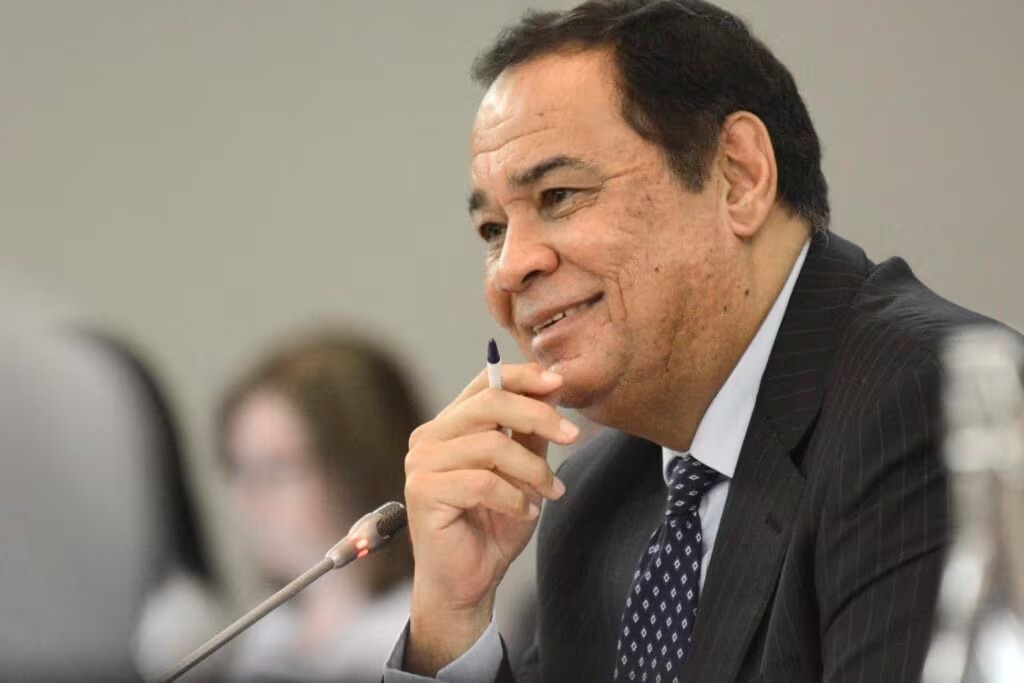
One of South Africa’s distinguished Muslim jurists has passed on. Al-Qalam reporter Ismail Suder reports.
“A humble soul” – that’s how most people described retired KZN Judge President Achmat Jappie, who passed away in the early hours of Wednesday.
Jappie (70) passed away of a suspected heart attack. He was buried in Sherwood, Durban, with many from the legal fraternity and the larger Muslim community attending his Janaza that took place after Zohr salah at the Soofie Bhaijaan Hall on 45th Cutting.
Jappie, who was born in Port Elizabeth, leaves behind his wife, Judge Soraya Hassim, and three adult children.
Jappie was one of the first Muslims lawyers to be appointed to the bench in 1998. He later served as Deputy Judge President before being appointed as the Judge President of the KwaZulu-Natal Division of the High Court in June 2015.
Prior to that, he served as an acting judge of the Constitutional Court from February to March 2015.
President Cyril Ramaphosa expressed his condolences. He said: “During his 28 years as a judge, Justice Jappie entrenched the rule of law. He ensured that the law protected the interests and dignity of those who deserved relief, and that those who breached the law felt the consequences of their actions or attitudes. May Allah have mercy on him.”


In a media statement, the Chief Justice of SA, Mandisa Maya, described Judge Jappie as a “distinguished jurist who served the people of South Africa with honour and integrity.”
“Judge Jappie was widely admired for his calm temperament, fairness, humility, and commitment to justice. He earned the respect of colleagues, legal practitioners, and court users alike for his integrity and deep knowledge of the law.”
“Following his retirement in 2021, Judge Jappie continued to serve the country, including as Chairperson of a Judicial Conduct Tribunal”.
Paying tribute, Shabir Chohan, the Chairman of the Association of Muslim Lawyers & Accountants (AMAL), said he and his colleagues were saddened at the passing of Judge Jappie, who served the legal fraternity with “absolute distinction”.
“Judge Jappie was a man of immense integrity and a proponent of human rights, being granted the honour of serving as Judge President of KwaZulu-Natal.
“We pray that Allah (S.W.T) grants Judge Jappie the highest ranks in Jannah, forgives his shortcomings, and envelops him in mercy. May his family and loved ones be granted the strength and patience to endure this immense loss,” he said.
Well-known Durban lawyer and human rights activist, Aslam Mayat, told Al-Qalam that Jappie was admired and loved by fellow judges and legal practitioners alike.
“Like other previously disadvantaged lawyers during the apartheid era, after the advent of democracy, Achmat and other fine advocates from Group Seven, like Pius Langa (who became Chief Justice in the Constitutional Court), Ponen (who served on the Supreme Court of Appeal) and Sham Gyanda, were appointed as judges.



“Achmat followed the constitutional dictates by bringing a humanist (or ubuntu) approach to the KZN bench, providing justice above legal technicalities.”
Senior Durban lawyer, Zain Fakroodeen, vice-chairman of AMAL, told Al-Qalam that Jappie was a humble soul who did not have any airs and graces about his status as a judge president of KwaZulu-Natal. He recalled how, once at a braai among friends, Jappie was present. He always displayed a casual and humble demeanour whenever he was introduced to other guests.
Fakroodeen said, despite being a judge president, he would quietly give free advice to poor people in the community. He remembered how on two separate occasions, two elderly women – visited his office. They told him they were sent by Judge President Jappie with a message that they should be assisted in their legal matters.
This reporter, Ismail Suder, who was assigned by The Daily News to cover criminal trials in the Durban High Court, was a regular in Jappie’s courtroom to report on proceedings.
“While passing his office one day, he spotted me and said: ‘Would you like some tea?’”
“Naturally, I was taken aback and nervously answered: ‘Yes, thank you, judge.” While sipping my tea, he made casual talk about my work as a reporter at The Daily News, about the mosque I usually attend for Jumu’ah prayers, etc. No doubt that brief interaction helped to break the ice, and after that, whenever I was in his courtroom, he would acknowledge my presence with a light nod.”
“He had an air of authority about him – he had a rugged, yet good-looking appearance – a mix between boxer Muhammed Ali and fighter Khabib Nurmagomedov – but I realised that behind the hard exterior, he was a humble and friendly soul.”