Al-Qalam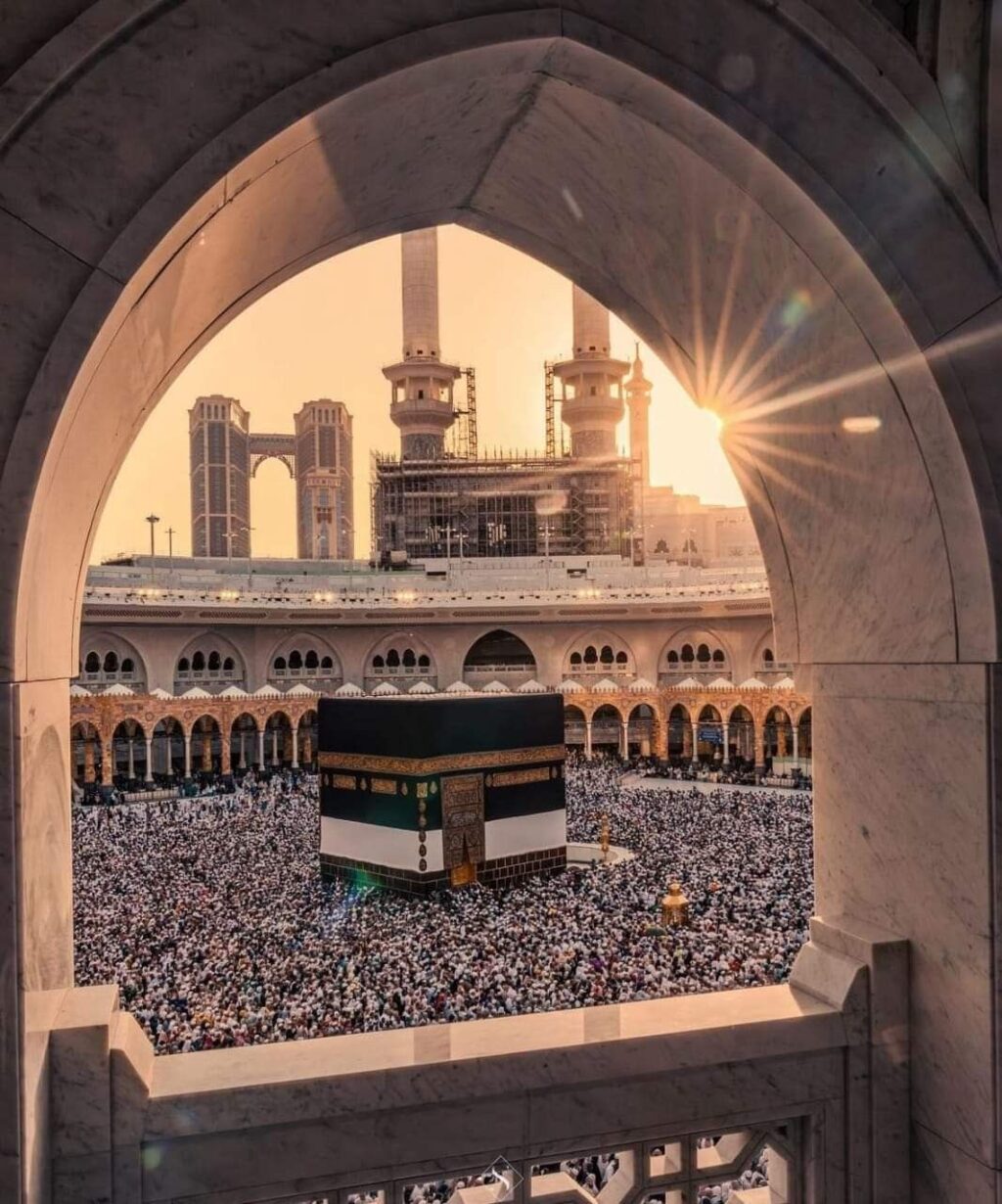
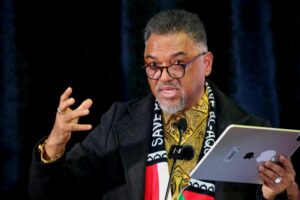
By Imam Dr. A. Rashied Omar
The final lunar month of Dhul Hijjah is expected to begin on Monday, 18 May 2026, with Hajj taking place from Monday, 25th May 2026. The 9th of Dhul Hijjah (Day of Arafah) is expected to be on Tuesday, 26 May 2026. As over two million pilgrims from across the globe gather in the sacred precincts of Makkah to fulfil the fifth and final pillar of Islam, Muslims throughout the world who are not performing the pilgrimage often ask: What is our role during these sacred days? How do we, as non-pilgrims, participate in the spiritual blessings and transformative ethos of the Hajj?
The first ten days of Dhul Hijjah are among the most sacred days in the Islamic calendar. Their sanctity derives from the fact that they host the rites of the Hajj itself. The Prophet Muhammad (pbuh) emphasized their spiritual significance when he proclaimed: “There are no days during which righteous deeds are more beloved to Allah than these ten days.” (Sahih Bukhari)
The first ten days of Dhul Hijjah are therefore not only for the hujjaj (pilgrims); they are sacred days for the entire Muslim ummah. While the pilgrims engage directly in the manasik al-hajj, the rites of pilgrimage, those of us at home are also invited to participate spiritually, ethically, and devotionally in the blessings of this sacred season.
There are at least three important ways in which non-pilgrims can participate in the Hajj experience indirectly and in solidarity with the pilgrims.


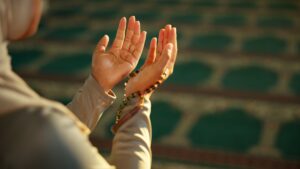
The first is through fasting, especially on the Day of Arafah. The standing on the plains of Arafah (wuquf al-Arafah) represents the spiritual climax of the Hajj. It is the moment when pilgrims gather in humility, repentance, and prayer before Allah. Non-pilgrims are encouraged to fast on this day as a means of spiritual solidarity with those gathered at Arafah. The Prophet Muhammad (pbuh) taught: “Fasting on the Day of Arafah expiates the sins of the previous year and the coming year.” (Sahih Muslim)
Importantly, the Prophet (pbuh) himself did not fast while standing at Arafah during his farewell pilgrimage. This clarifies that the fast of Arafah is intended primarily for non-pilgrims. Through fasting, the hearts of believers across the globe become spiritually connected to the pilgrims gathered on the sacred plains of mercy and forgiveness.
The second way non-pilgrims participate in the Hajj is through the celebration of Eid al-Adha. Eid al-Adha is not merely a cultural festival or social holiday. It is deeply rooted in the culmination of the Hajj journey. The joy of Eid derives its meaning from the successful completion of the sacred rites by the pilgrims. The Prophet Muhammad (pbuh) famously declared: “The Hajj is Arafah.” (Musnad Ahmad).
In other words, the standing at Arafah is the essence and culmination of the pilgrimage. When Muslims around the world celebrate Eid al-Adha after the pilgrims depart from Arafah, they do so in spiritual unison with the hujjaj. The global Muslim community becomes symbolically united in devotion, gratitude, and remembrance of Allah.
The third and final way non-pilgrims participate in the Hajj is through the udhiyah or qurban, the ritual animal sacrifice performed during Eid al-Adha and the days of tashriq that follow. The Qur’an explicitly links the sacrifice to the rites of Hajj in Surah al-Hajj. The sacrifice commemorates the faith, submission, and moral courage of Prophet Ibrahim and his family. At its deepest level, however, the qurban is not simply about the slaughtering of an animal. The Qur’an reminds us that: “It is neither their meat nor their blood that reaches Allah, but rather your consciousness of Him.” (Qur’an 22:37)



The sacrifice thus calls believers to embody generosity, compassion, and care for the vulnerable. In a world marked by widening inequality, war, hunger, and displacement, the spirit of qurban should move us beyond ritual symbolism toward social solidarity and ethical responsibility.
The Hajj season also reminds us of Islam’s profound vision of human equality and unity. Pilgrims stand side by side regardless of race, nationality, language, or class. The simple garments of ihram strip away worldly distinctions and remind humanity of our shared dignity before the Creator.
At a time when our world is witnessing devastating wars, rising xenophobia, deepening racism, and growing social fragmentation, the Hajj offers an urgently needed moral and spiritual message: that human beings are one family under God and that true piety lies not in wealth, power, or ethnicity, but in righteousness and moral consciousness.
For non-pilgrims, participating in the sacred days of Dhul Hijjah through fasting, Eid celebration, charity, remembrance of Allah, and qurban allows us to share spiritually in the blessings of the Hajj journey. May Allah grant all pilgrims a Hajj Mabrur, a pilgrimage accepted with Divine grace, and may these sacred days renew within all of us a deeper commitment to faith, justice, compassion, and human solidarity.