Al-Qalam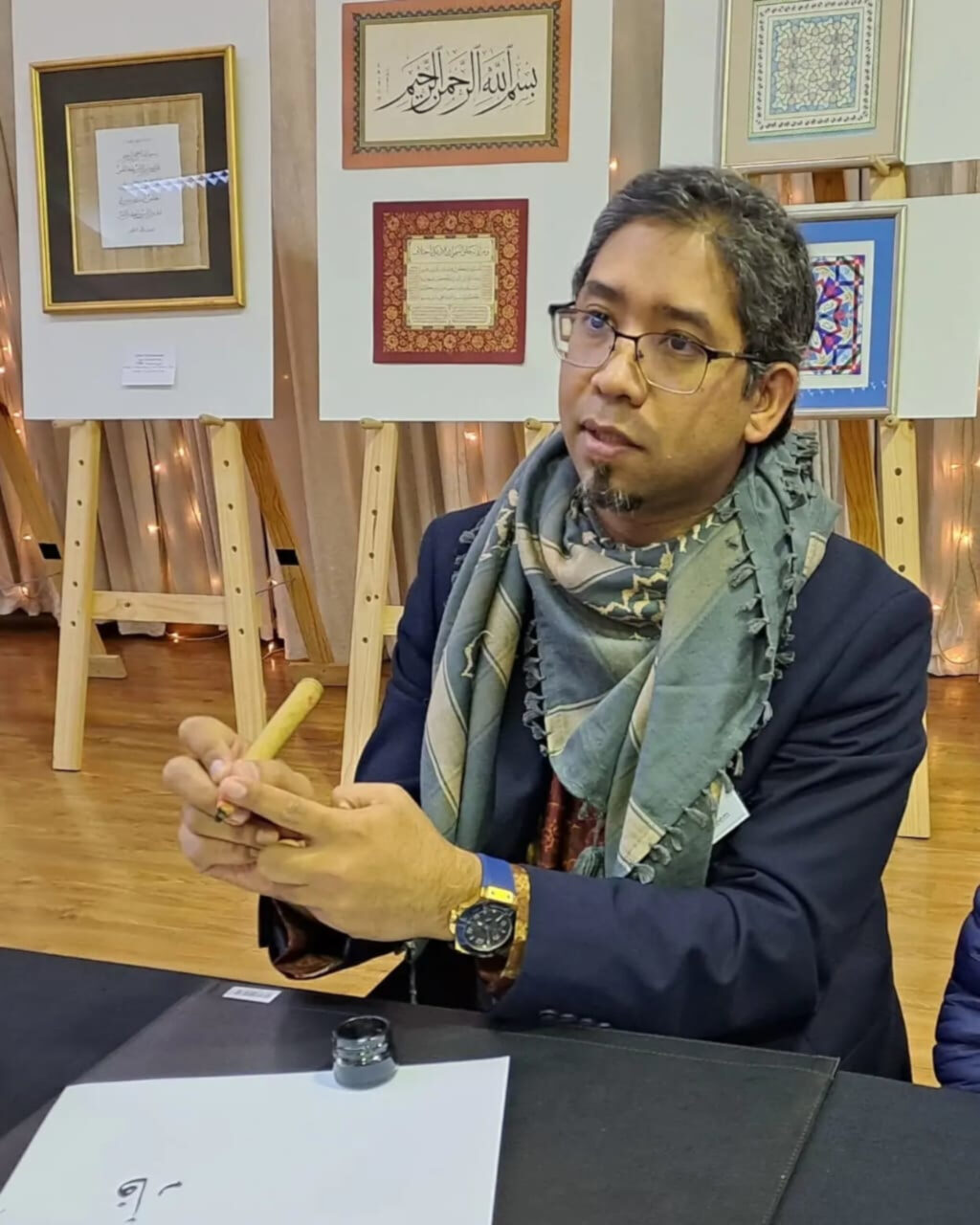
By Sana Ebrahim
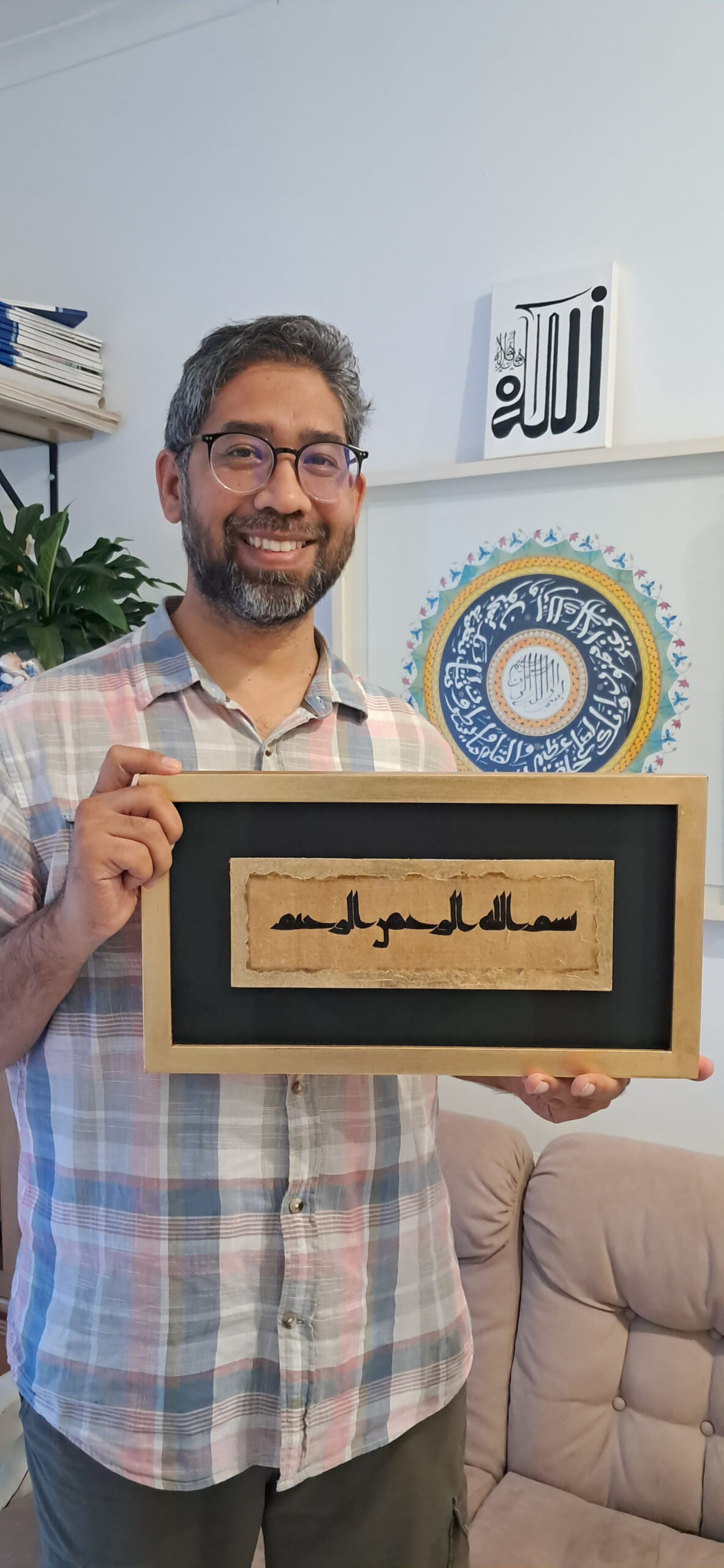
Cape Town-based Arabic calligrapher Ustad Faheem Rhoda Jackson blends heritage, spirituality, and artistic mastery through the timeless language of ink and script.
Faheem’s journey into calligraphy began while studying Arabic at Abu Nour University in Syria. A defining moment came when his handwriting teacher, Shaykh Adham Fadi Ja’fari, entered a noisy classroom and quietly drew an intricate calligraphic design on the blackboard. The room immediately fell silent.
“That could have been the day I made the niyyah to learn this art,” recalls Faheem. “I hoped that one day I could become like him.”
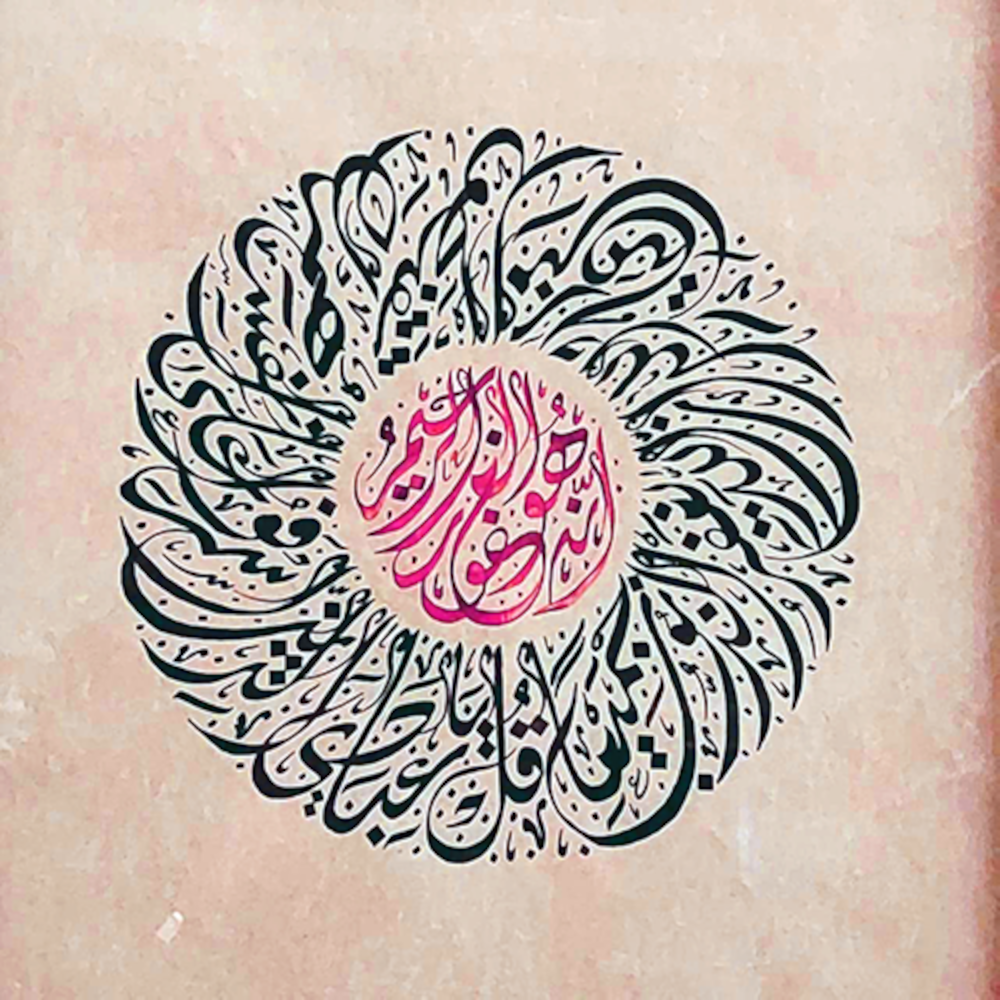
Today, his work sits at the intersection of language, reflection, and visual art. Deeply inspired by Islam and the Qur’an, he approaches creativity as an appreciation of divine beauty.
“Just a small sheet of paper and scribbles can inspire me to continue in the hope that Allah guides me to create the best piece,” he says.
Cape Town’s Muslim history has shaped his artistic identity. Growing up in Bo-Kaap, he often visited the historic Tana Baru cemetery, where many early Muslim scholars are buried, including Tuan Guru, the first imam of the Auwal Mosque. Tuan Guru famously transcribed copies of the Qur’an from memory while imprisoned on Robben Island during the Dutch colonial era.


Faheem’s late teacher, Dr Sulaiman Nordien, gifted him a facsimile copy of one of Tuan Guru’s manuscripts. Studying the script inspired him to develop the ‘Janubi’ script, a South African calligraphic style influenced by historic manuscripts and gravestone inscriptions found in cemeteries such as Tana Baru and Mowbray.
“This made the connection between my work and the history of Islam in Cape Town even more meaningful for me,” he reflects.
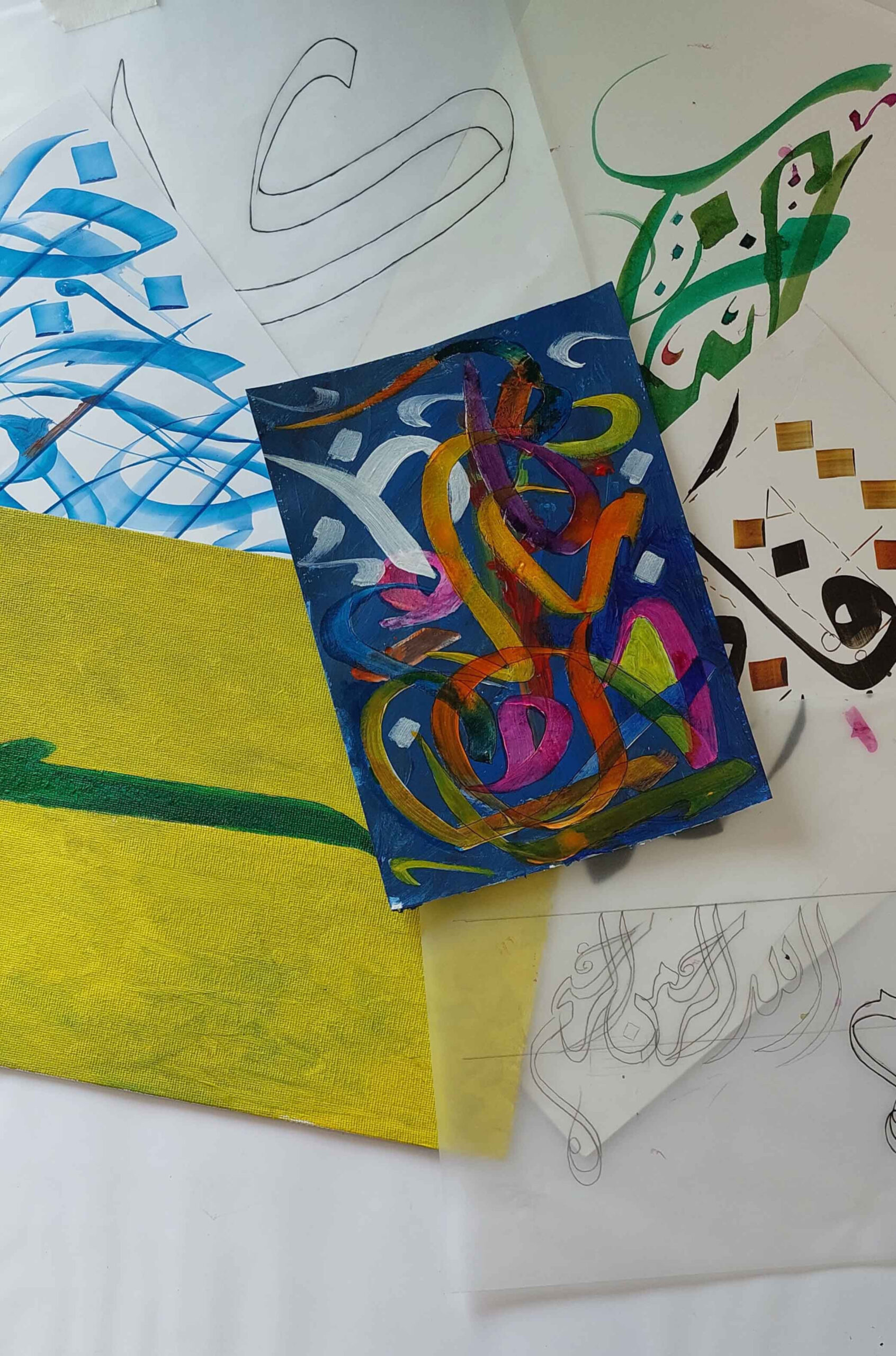
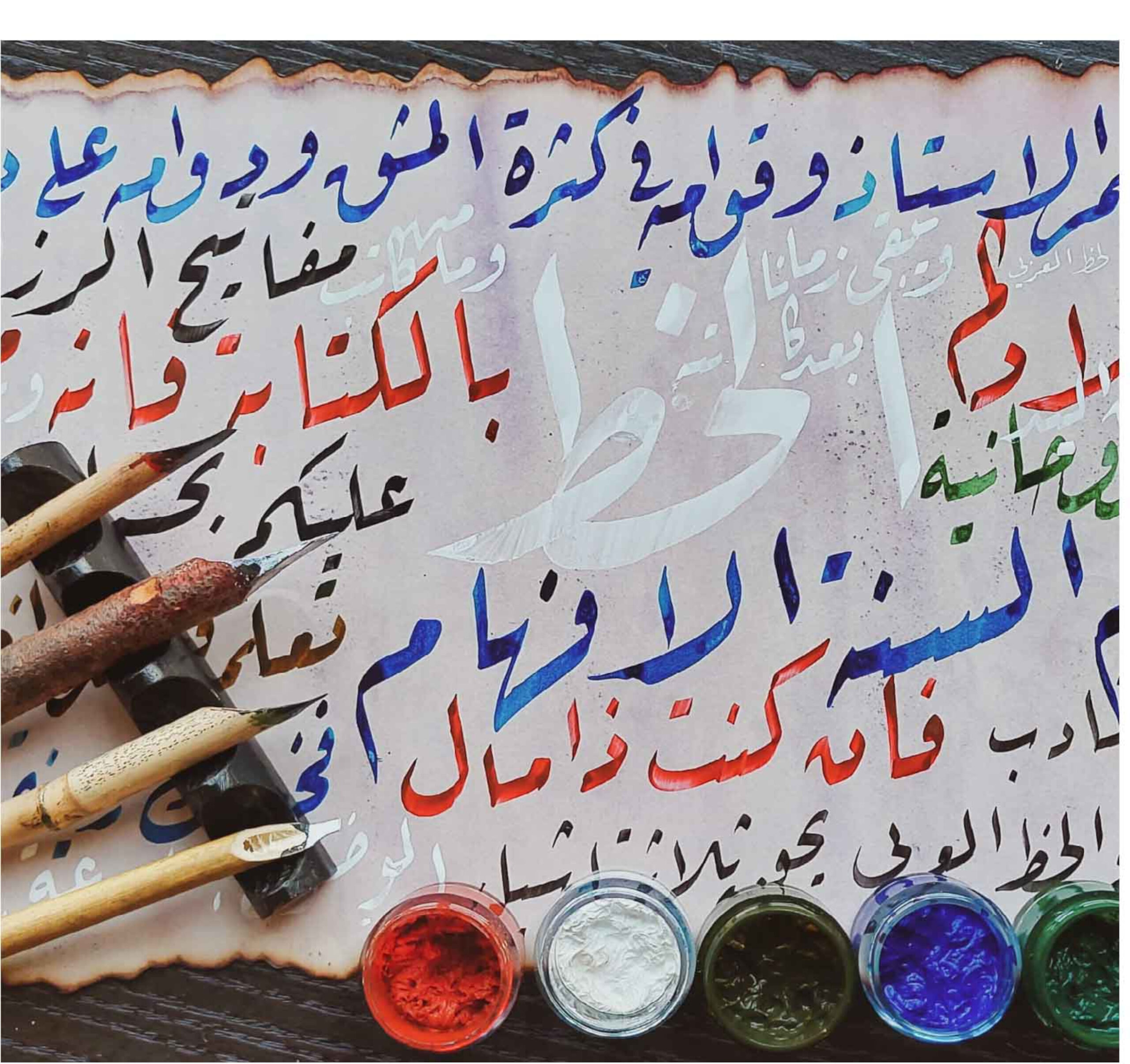
His creative process combines classical techniques with contemporary tools. After selecting a text, often through commissioned work, he sketches repeatedly before carving a bamboo qalam suited to the piece. He first works in black ink to focus on form and proportion before refining designs digitally using Adobe Illustrator or Photoshop.
Despite using modern technology, he remains committed to traditional learning.
“The best way to acquire a solid foundation in Arabic calligraphy is through the study of classical scripts,” he explains. One of the two foremost scribes of the Prophet Muhammad (SAWS), Sayyiduna Ali (RA) was reported to have said: “Calligraphy is hidden in the teacher’s teachings, and mastering it requires much practice.”
For Faheem, calligraphy is more than visual art. It is rhythm, remembrance, and meditation. Raised in a home where dhikr gatherings were common, he developed an early love for Arabic writing through devotional texts such as the Raatibul Haddad. As a student, he often copied passages repeatedly, finding peace in the act of writing.
Among the forms that continue to inspire him are the Hurūf al-Muqatta‘āt, the disconnected letters appearing at the beginning of certain Qur’anic chapters.



“Calligraphers are challenged to bring attention to these letters in creative ways,” he says.
Although Arabic calligraphy is often associated with Muslim audiences, Faheem has witnessed its universal emotional impact. During a 2019 workshop at the Palestine Museum in Cape Town, participants from Muslim, Christian, and Jewish backgrounds gathered to explore the art form together.
“One Christian woman was brought to tears after seeing a Qur’an for the first time,” he recalls. “She said it was the most beautiful sight her eyes had ever seen.”
At the same time, he expresses concern about the misuse of AI-generated Arabic calligraphy. As a graphic designer and calligrapher, he warns that distorted Arabic letters created through artificial intelligence can unintentionally disrespect sacred texts.
“If the letters are unrecognisable and distorted, we have to be careful,” he says. “Muslims believe the Qur’an is the word of Allah.”
Alongside his artistic practice, Faheem Rhoda Jackson teaches weekly in-person Arabic calligraphy classes at the Awqaf SA Islamic Centre in Zeekoevlei, Cape Town. He offers online Arabic calligraphy lessons to students locally and internationally. His courses are designed for beginners and experienced artists. Through live Zoom critiques and overhead camera demonstrations, students learn technical skills and the etiquette traditionally associated with beautiful writing.
![[Advertorial] Gorima’s: 46 years of spice, tradition and growth](https://alqalam.co.za/wp-content/uploads/2026/09/1595232147-97-gorima-s-spices-300x300.jpg)