Al-Qalam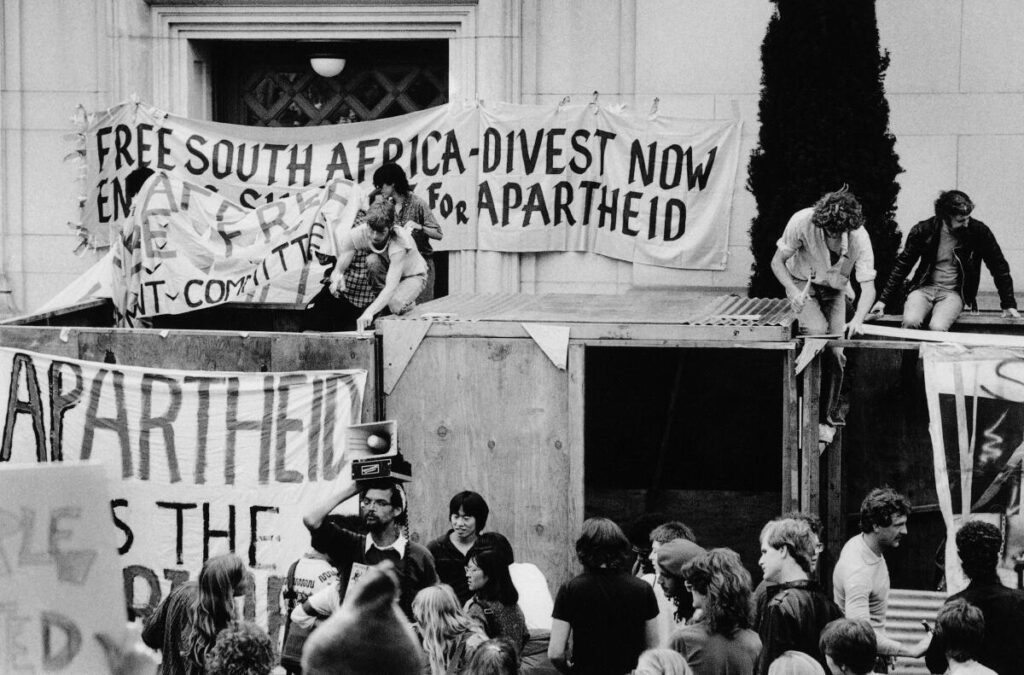
By Mphutlane Bofelo
This past Sunday, I spent time with a friend who was among the first to visit me at Leeuhof Prison in the 1980. I was imprisoned for my political activism work.
After my release, when police harassment was relentless, he helped me enroll at As-Salaam Educational Institute in Mahlathini Village near Braemar and Umzinto — a refuge for young activists fleeing persecution. At a time when Black Consciousness adherents faced violence from all sides, this brother left the comforts of suburban life to enter my township, intent on taking me to safety. Yet, inspired by Biko’s teaching that conquering the fear of death is the most liberating act, and that the manner of one’s death carries political meaning, I chose to stay and confront the situation head-on.
As we reminisced, he reminded me how the BCM had warned of the neocolonial and neo-apartheid horrors that would follow the reformist CODESA.


With sadness, he asked whether, now that I witness the continuity of racial capitalism, I regret dedicating my life to the struggle. I laughed off the question, but it lingered. Later, another comrade posed the same challenge: how do I keep going in this work despite disappointments, reversals, and betrayals? My answer remains simple yet profound: love, faith, and hope.
Faith anchors the conviction that freedom is not only possible but divinely mandated. In South Africa’s Black Theology of Liberation, faith framed resistance as a moral and spiritual battle. It transforms despair into determination, shielding against fear and doubt.
Hope sustains vision through hardship. It is resilience embodied — a “helmet” protecting the mind against despair, enabling endurance through imprisonment, exile, or violence. Hope is an active expectation, expressed in songs, prayer, and revolutionary rhetoric.



Love binds communities together, ensuring the struggle is about dignity and solidarity. Love transforms resistance into collective action: caring for families of prisoners, protecting the vulnerable, and building unity. In liberation theology, love demands justice and nurtures reconciliation.
Together, faith, hope, and love form a resilient moral framework. Faith grips the present, hope secures the future, and love sustains the community. Yet balance is essential. Faith without love risks rigid ideology; hope without faith collapses into naïve optimism; love without hope may lead to burnout. Only in harmony do these forces keep liberation movements principled, humane, and enduring.
*Bofelo is the former Secretary General of the Muslim Youth Movement.