Al-Qalam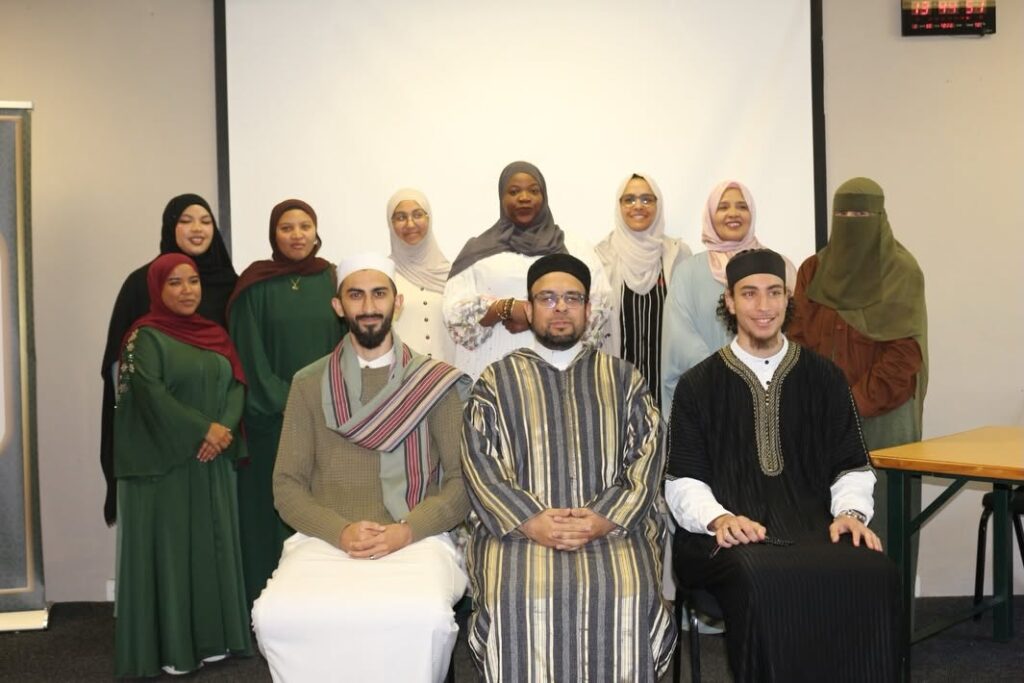
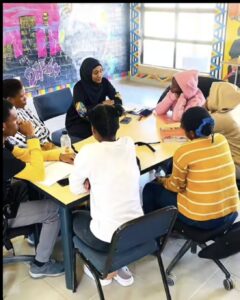
Students at the International Peace College South Africa (IPSA) after the Seminar Photo credit: IPSA
By Fazlin Fransman Taliep
Before a voter puts a cross beside a name, there are questions a ballot paper cannot answer. What makes someone worthy of public trust? How should religious conviction inform political loyalty? And what does a citizen owe to people beyond their own community?
At the International Peace College South Africa (IPSA), eight students took up these questions through a seminar examining Muslim youth and political participation. Held on 3 October, the Contemporary Islamic Thought Seminar brought citizenship, Islamic scholarship and electoral choice into a single programme, with students presenting on subjects that reach well beyond their classrooms.
The theme, “Muslim Youth and Political Participation: Citizenship, Voting and a Just Future”, gave the gathering an ambitious scope. Across two sessions, the presentations moved from the meaning of national belonging to the judgements involved in choosing whom to support.
For Muslim students, these questions sit at the intersection of religious education and everyday life. Political decisions shape access to education, livelihoods and the safety of neighbourhoods. They also raise questions about justice, the exercise of authority and responsibility for the welfare of others. Connecting those concerns requires both an understanding of faith and an ability to examine the world in which its principles must be applied.
The programme began with belonging.


Saleem Parker’s presentation on love and loyalty to one’s nation, considered from an Islamic perspective, sat alongside Rasheedah Khan’s examination of the responsibilities of citizenship through fiqh al-muwatanah, the jurisprudence of citizenship.
Together, their subjects framed a question that extends beyond elections: how should Muslims understand their obligations within a shared society? Love of country is an expression of attachment. Citizenship gives that attachment practical consequences, bringing the rights and needs of fellow citizens into consideration.
The historical presentations widened the discussion. Nihad Moses addressed the political activities of the Prophet Muhammad (SAW) and his Sahabah, while Fagmieyah Darries examined the history of Muslim political involvement in South Africa.
Their subjects placed contemporary participation within two important frames of reference: the early Muslim experience and the community’s own history in this country. For students considering their place in public life, both offer starting points for enquiry into how Muslims have understood authority, responsibility and collective action.
The second session turned to the ballot itself.
Zainab Achmat’s topic, “Is Voting Permissible? What the Scholars Say!”, addressed the religious question underlying electoral participation. Nabeelah Esack followed with an examination of the criteria that should inform the choice of whom to vote for.



The sequence mattered. Permission to participate does not, on its own, resolve the judgement required of a voter. Choosing a representative demands an assessment of the people seeking power, the commitments they make and the grounds on which they can be trusted.
For a Muslim electorate, that is also a question about how ethical commitments become standards of public judgement. What weight should be given to integrity, competence and the treatment of vulnerable people? How should competing considerations be assessed? A discussion of criteria creates room to examine the reasoning behind a political preference.
Tasleemah Ellis brought an international perspective through her presentation on the impact of Muslim votes in the United Kingdom and United States. Fazlin Davids returned the discussion to South Africa, addressing the possible and certain benefits of voting.
Placed together, these topics connected the question of participation with the question of consequence: what influence can voters exercise, and what can they reasonably expect it to achieve?
Across the presentations ran a common question: what does responsible political participation require of a Muslim? Examining it meant bringing religious scholarship into conversation with history and the practical choices facing voters. For young Muslims, these questions bear directly on how they understand their faith, their citizenship and their responsibilities towards others.
The questions explored at the seminar extended beyond whether Muslims should vote to what should guide them when they do. Citizenship, scholarly interpretation and political experience each formed part of that enquiry. At its heart was the challenge of translating a commitment to justice into a choice on the ballot – and sustaining that commitment once the votes have been counted.