Al-Qalam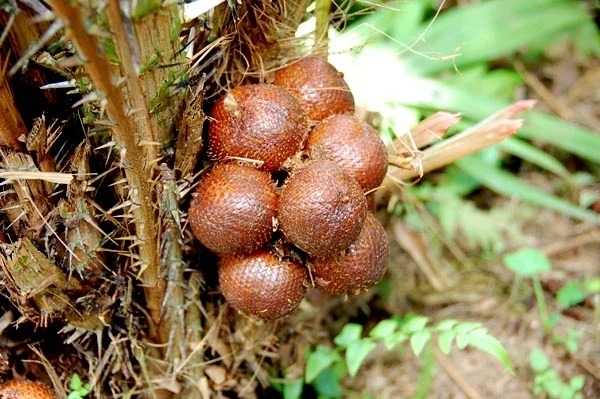
Journalist Ismail Suder loves tasting exotic fruit from different countries, so when a relative was visiting Indonesia, he begged him to bring him some.
“I’m going to Jakarta, what can I get you? my nephew Ahmed asked nonchalantly.
Bring me exotic Indonesian fruit, like rambutan, I exclaimed.
He scratched his head and said, “All right, I will see what I can do.”
I love fruit, especially exotic ones. In the dozens of countries that I had travelled to, the first thing I would do is head to the bustling markets to hunt for exotic fruits unavailable in South Africa.
In the 90’s, during a wild expedition to the Amazon Jungle, I was curious about the fruits that grew in the jungle. My tribal Indian guide directed me to a tree full of guarana berries – of course, I didn’t know what it was at the time, but it was delicious.
In a fruit market on the outskirts of Rio de Janeiro, Brazil, I gorged on cherimoya or custard apples right there and then, like there was no one watching. Oh, and not to forget the sweetest baby papayas – bright orange inside – a rare variety in this country.
But back to Ahmed in Indonesia. Needless to say, I kept pestering Ahmed for days, asking whether he’d seen any rambutans in the street markets – a bright red fruit with a hairy outer skin, similar to a lychee.
“Out of season”, he snapped.
Well, what’s available out there? I asked in anticipation.
He then went to describe the fruits, the names of which he didn’t know. He sent me photos of the fruit, and thanks to the marvel of the internet, I was able to identify the fruits that were piled high on tables in the market. The first was a kiwi-like tropical fruit called “chikoo,” commonly known as sapodilla or sawo. The fruit has a sweet, malty taste with a bit of caramel and brown sugar.
“Buy it!”, I barked like a sergeant major.
Now, Ahmed is not a fruit lover, so asking him to wander through a busy Jakarta market to fruit hunt for me was not exactly his cup of tea, so to speak.
In another market that he visited, I shopped for exotic fruit remotely, via a video call.
As he ambled through the throngs of people in the municipal market, I spotted something that looked like a bunch of lychees. Wait! What’s that you just passed?
He backtracked and spoke to the seller. “He says it’s Longan…very sweet.”
Get a bunch, I boomed on the phone.
“But…but, customs may confiscate it,” he protested.
Just stash it in your bag and hope for the best!, I said. For a moment, I felt as though I was doing something illegal, but the thought soon passed.
Minutes after his plane landed at King Shaka Airport this week, I was there, eagerly waiting to take possession of it.
I saw Ahmed’s portly figure exit from the arrivals hall and rushed towards him. Do you have it, I asked, almost breathlessly.
“Yes, Alhamdulillah, he said with a smile. When we got to the undercover airport parking, I demanded to see the stash, er, exotic fruit and my happiness knew no bounds.
In the packet, there was one dragon giant fruit weighing over a kilo, and the largest I’ve ever seen. There was a small bunch of longans (also known as dragon’s eye), which I tasted immediately – it has a sweet musky flavour and tastes something between a grape and a lychee with a chocolaty aftertaste.
But the surprise in the pack was three “snake fruit”, a strange scaly fruit that genuinely has a texture of snake skin, SubahanAllah! The unusual fruit, native to Java in Indonesia, has a crunchy taste with faint hints of apple, banana and pineapple. Although snake fruit is not my thing, I relished the experience of tasting fruit from this far-off Muslim land.
Where are you going next, I cheekily asked Ahmed.
“I know what you’re thinking…forget it, it’s not going to happen”, he said with a snigger.