Al-Qalam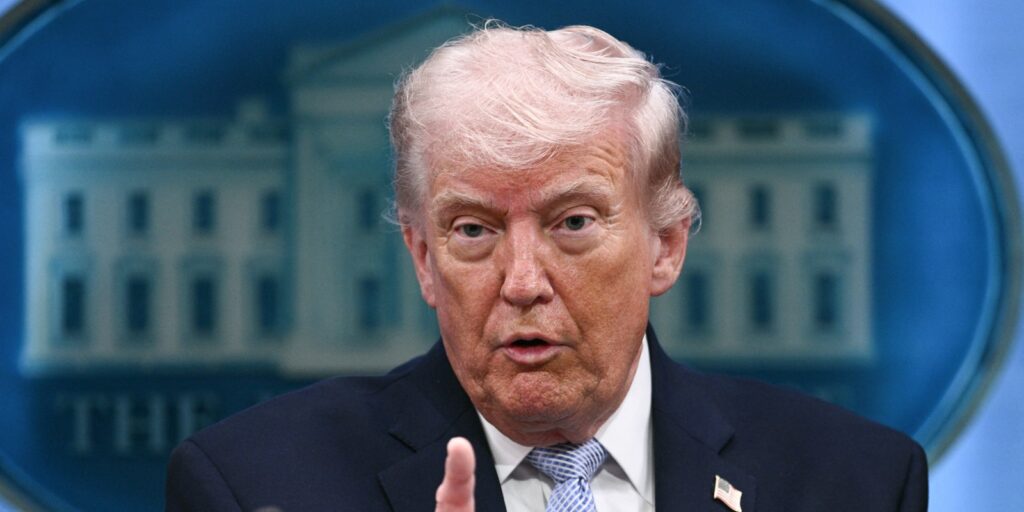
By Iqbal Jassat
Reports from various sources suggest that negotiating teams from the United States and Iran may return to Pakistan in the coming days to resume talks aimed at ending the war in the Gulf.
Though reference is made to the “war in the Gulf’’, it does not adequately describe the reality of the war against Iran, nor why it was launched and by whom it was launched.
It is thus crucial to recall that Israel and the US launched Operations Roaring Lion and Epic Fury on February 28, with the stated aim of collapsing the government of the Islamic Republic and imposing regime change.
Iran retaliated by firing missiles at Israel, across the Middle East at Gulf nations hosting US military bases in the region. The sustained ferocity of Iran’s response demonstrated its ability to defend itself from the combined air and naval attacks by the US and Israel.
Though Iran claims that hundreds of soldiers from the attacking forces have been killed, Israel has downplayed this. According to Zionist media, only twelve IDF soldiers and 23 civilians have been killed, and at least 7,693 more injured in ballistic missile attacks across Israel since February 28, while eleven US soldiers have been killed.
While uncertainty about the toll reigns, and a fragile truce hangs by a thread, the US has imposed a blockade on the Strait of Hormuz.
Trump has threatened to sink any ship that dares to defy the blockade, adding that US forces will employ “the same system of kill” used against drug trafficking boats in the Caribbean Sea.
Despite Trump’s bravado, we learn that four Iran-linked vessels have sneakily skirted around his blockade – with China blasting the siege as “dangerous and irresponsible”.
Netanyahu comes unstuck too, with global economic crisis brewing and the IMF now issuing warnings about negative growth rates. As the instigator of the unprovoked and illegal war, Netanyahu is aware that the likelihood of a global recession resulting from his criminal actions and having dragged Trump along, places his regime as the central cause of it.
The alarm that gripped Western economists points to a strain on supply chains. The unwise and foolish military blockade by Trump to ostensibly “punish” Iran for exercising its sovereignty over the Strait puts the international community at risk of a global food crisis, the chief economist of the Food and Agriculture Organization of the United Nations warned on Monday.
While Netanyahu exercises his manipulation of US policy against Iran, Saudi Arabia has publicly been pressing the United States to end its blockade of the Strait of Hormuz and return to negotiations with Iran, according to a The Wall Street Journal report.
The report said Riyadh fears the standoff could trigger a broader regional escalation, including threats to Red Sea shipping routes and Saudi oil exports.
In obedience to Netanyahu and fearing axing, which ultimately led to him being fired, Mossad Director David Barnea proclaimed at the Holocaust ceremony that his spy agency will not rest until it facilitates the “fall of the Islamic regime of Iran”.
“Our mission is not yet complete. We did not think that our mission would be completed immediately with the fading of the battles, but rather we planned, and [really] we planned to continue, and this will be manifested even after the time of attacks on Tehran,” said Barnea.
This was the first time that the Mossad chief publicly addressed his role and views about regime change in Iran.
After regime change in Iran had not transpired in the early weeks of the war, and even more since a ceasefire kicked in without regime change, various Israeli and American officials have sought to blame the Mossad and Barnea for the failure.
Unconvincingly pushing back, the Mossad desperately rejected allegations that it had failed or that it tried to “sucker” the US into believing in delusions of regime change.
Having failed miserably to attain any of his military and political goals, Netanyahu is in a fix – domestically as well as internationally.
With Trump desperate to end his malicious adventure that has resulted in a huge fallout of his prestige and power, he is set to cave in to Iran’s legitimate demands in the forthcoming second round of talks hosted by Pakistan.
*Iqbal Jassat is an Executive Member of the Media Review Network.