Al-Qalam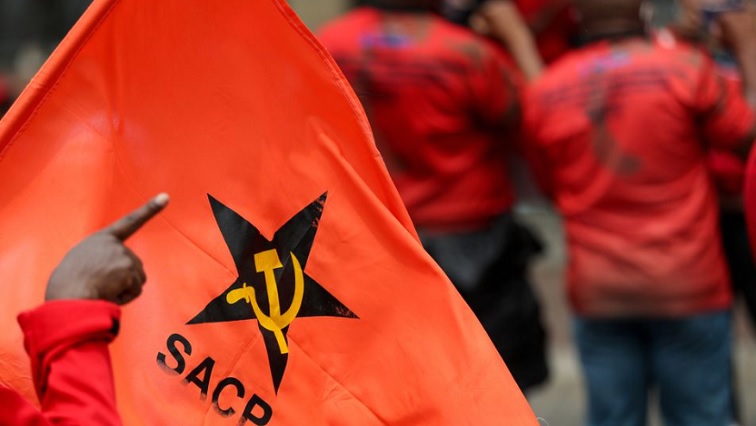
Across South Africa, the most urgent struggles—land occupations, housing crises, collapsing social services, and the fight against gender-based violence—are not being led by political parties or unions. They are being driven by the subaltern: the marginalised and excluded who live daily with the violence of capitalism.
These movements, from shack dwellers to community advice centres, are not the product of party programmes. They are born of necessity, of lived experience, and of survival. Yet when traditional left parties intervene, they often fall into what can be called a triple entrapment: economism, statism, and partyism. They cling to outdated vanguardist models, assuming revolution is a mechanical outcome of economic contradictions, led by professional cadres under the auspices of a vanguard party. In doing so, they risk suffocating the grassroots energy that keeps resistance alive.
What is needed is a politics that listens. Instead of treating communities as raw material for party agendas, the left must recognise that the subaltern are not passive victims of history but active makers of it. The struggles for land, water, food, and dignity are not simply economic demands—they are acts of reclaiming humanity.
Examples abound. Gauteng Housing Crisis Committee land occupations and grassroots-based socioeconomic development initiatives, the popular education and advocacy work of Zabalaza Pathway Institute, and ILRIG’s counter-hegemonic research show us what grassroots socialism looks like in practice: survival treated as a collective right, not a commodity. These initiatives embody cooperative economics, mutual aid, and participatory democracy. The challenge now is to weave them together into a sustained, strategically informed challenge to capital.
Organisations such as the South African Communist Party, Socialist Party of Azania and Zabalaza Anarchist Socialist Front must redefine their roles. Their task is not to capture movements into party hierarchies but to act as shields, amplifiers, and allies. The ZACF can promote anarchist principles of horizontalism and mutual aid. SOPA can connect Black Consciousness and African communal traditions to modern Marxist Humanism. The SACP, with its nationwide reach, can defend grassroots movements from repression while re-anchoring its programme in local culture and cooperative initiatives.
If the left is to remain relevant, it must abandon the prophet model and embrace the pedagogy of listening. Revolution cannot be imposed from above; it must be cultivated from below, in kitchens, neighbourhoods, and community assemblies.
The focus should not only be on capturing the state but also on building communal, cooperative, and democratic forms of life. South Africa’s grassroots movements are already showing us the way. The question is whether the left will learn to follow.
Mphutlane wa Bofelo