Al-Qalam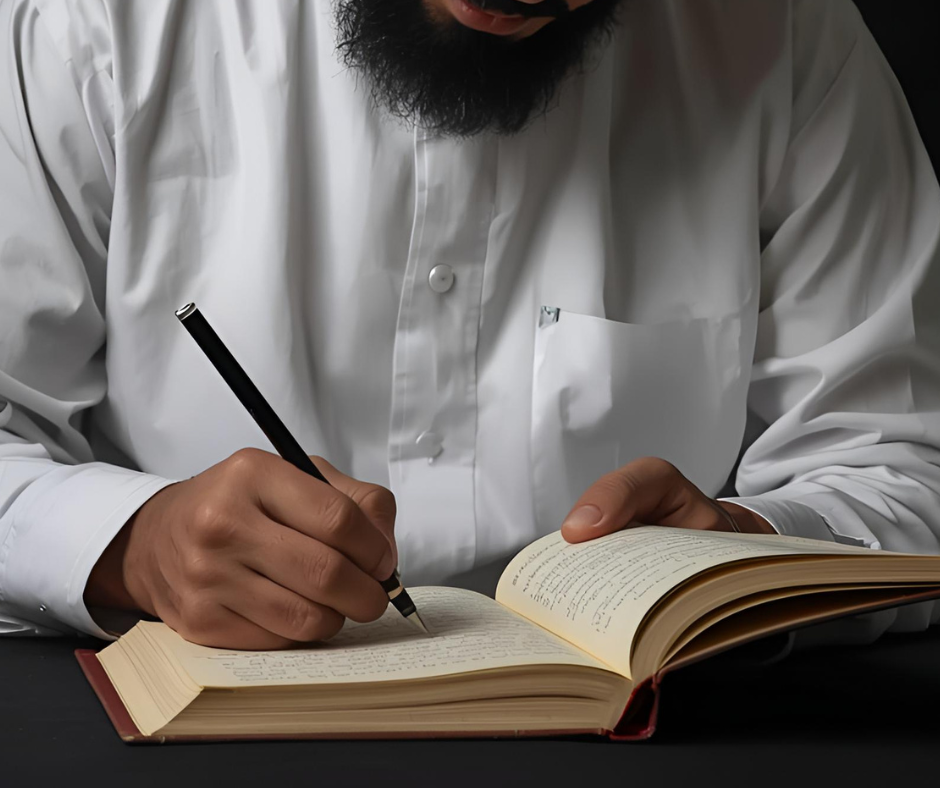
We must embrace ‘Muḥāsabah’ (take stock of our lives) and make meaningful changes as we enter the Gregorian Year 2026, says Dr. A. Rashied Omar
By the Divine Grace of Allah, the Giver and Taker of Life, we have arrived at the close of the Gregorian Year 2025. This moment offers us an invaluable opportunity to pause, reflect on our personal journeys over the past year, and resolve to make meaningful and positive changes as we enter 2026. In truth, such reflective self-assessment, muḥāsabah, should not be an annual event alone. Our Islamic tradition teaches that the truly conscientious believer is one who regularly examines their life and holds themselves accountable.
Beyond New Year’s Resolutions
Ideally, the spiritually alert Muslim strives to grow and improve every single day, not only at the dawn of a new year. Instead of limiting ourselves to “New Year’s resolutions,” we should cultivate New Day resolutions. With this mindset, every dawn becomes a renewed chance for spiritual rebirth and moral refinement.
This daily exercise need not be burdensome. Just a few minutes spent at day’s end, reflecting on what benefitted us, what distracted us, and how well we upheld our intentions, can nurture a deep sense of purpose and accountability.


This spirit of continual renewal is echoed by the renowned tābiʿī, al-Ḥasan al-Baṣrī (d. 728), who is reported to have said:
“Every day when dawn breaks, two angels call out:
O child of Adam! I am a new day, and I witness your deeds.
Seize the opportunity of this day to do good,
for once I have passed, I shall not return until the Day of Judgment.”
The Value of Intentions
Some may feel discouraged by past failures to keep their resolutions and question the value of making them at all. It is true that as the year unfolds and daily pressures return, complacency can creep in. But Islam teaches us the immense value of good intentions, even when they are not fully realised.
In a sacred prophetic tradition (ḥadīth qudsī) recorded by al-Bukhārī and Muslim, the Prophet Muhammad (PBUH) narrates that Allah says:
“Whoever intends a good deed but does not carry it out,
Allah records it as a complete good deed.
If he intends it and performs it,
Allah records it as ten good deeds
up to seven hundred times, or even more.”
This profound teaching assures us that resolutions are themselves meritorious acts. They reflect our moral aspiration and our longing to live with greater consciousness, compassion and integrity.



Crafting a Balanced Set of Resolutions
I encourage each of us to make a modest, realistic, and balanced set of resolutions for the coming year. These should include:
- Spiritual goals such as praying more consistently on time or increasing sunnah fasting;
- Physical and health goals to strengthen the body entrusted to us by Allah;
- Intellectual commitments to pursue learning and deepen our understanding;
- Social and relational goals to improve interactions with family, friends, and neighbours.
Importantly, our resolutions should also move us beyond the self-centred culture promoted by consumerism. Let us commit ourselves to greater generosity, giving more of our time, skills, and compassion to uplift those who are struggling. And let us resolve to contribute actively to efforts that bridge the class divide that continues to fuel deep inequality in our society.
A Closing Prayerful Hope
As we stand at the threshold of a new year, I pray that Allah inspires us to live with renewed purpose and moral clarity. May we each become more compassionate, more just, and more caring human beings, agents of mercy in our families, communities, and wider society, in shā’ Allāh.